Advertisements (ou Ads)
What item are you looking for at Nike?
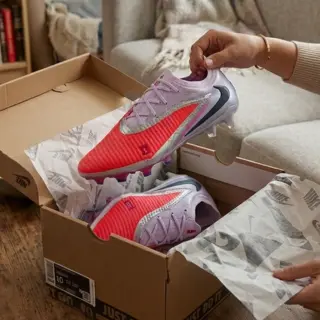

I test soccer cleats for a living. In this series, you’ll see how Soccer Cleats nike product tests progress from the lab to game day. I use my experience, work with experts at Stanford and University of Oregon, and team up with college and semi-pro teams. As a tester, my job involves documenting everything from lab studies and on-field tests to collecting data and ensuring the fit suits players well. This helps players and coaches pick the best gear.
This piece outlines the article’s focus. I’ll discuss Nike’s approach to testing and the lab facilities influencing their designs. You’ll get a glimpse into real-world evaluations of football boots nike, including player recruitment and testing on different field types. I’ll talk about the tools used—like motion capture and force plates—and key performance indicators for grip, agility, and preventing injuries.
Further, I’ll take you through an entire testing cycle, present examples from Nike’s latest products, and discuss how I assess comfort, security, and adherence over time. I’m writing in a friendly and personal manner, aiming to provide practical insights. My goal? To offer clear, useful info on nike product testing and the soccer cleats testing process for everyone interested.
Key Takeaways
- I combine lab science and real-world trials to evaluate cleat performance.
- Tests focus on traction, responsiveness, durability, and injury prevention.
- I use motion capture and wearable sensors alongside player feedback.
- My findings aim to help youth, college, and semi-pro players choose the right cleat.
Behind the Lab Doors: Nike product testing for soccer cleats
I take you inside Nike’s testing area to show how soccer cleats are perfected. Here, speed, control, and safety are top priorities. Each test and athlete’s feedback help improve the cleats.
Overview of Nike’s testing philosophy
Nike focuses on enhancing player performance, not just meeting standards. The process involves repeating design and testing with athletes to make improvements. Tests are tailored for soccer, paying attention to how cleats perform in different movements and with the ball.
Key lab facilities and the role they play in design
In the lab, machines test cleats to see how they’ll last over a season. They check how well the shoes flex and respond to stress. Tests also cover how materials hold up in various weather conditions to ensure global usability.

Nike Voice of the Athlete initiative
Facilities also include rigs to test how cleats interact with different surfaces. Wear and tear are estimated using abrasion modules. Fast prototyping tools like 3D printing help update designs quickly based on test results.
Materials science: how textiles and synthetics are evaluated
Shoe materials are rigorously tested for strength, durability, and comfort. By comparing different materials, Nike selects the best for both performance and feel. The insoles and foams are checked to see how well they cushion and return energy.
The right rubber blend is chosen for the outsole to suit various playing surfaces. Durability tests on seams and bonds are crucial for predicting how well cleats will hold up. The lab’s findings are key to developing the soccer cleats you see on the field.
Note: I cover how Nike combines lab results and player feedback to make cleats that excel in any condition.
Real-world trials: field testing football boots nike
I test football boots in real matches to see how they perform. I use drills and live games to get true player reactions and solid data. This helps me understand how nike boots hold up under stress.
I work with different teams to get a range of skill levels involved. Pros tell me about how the boots respond and fit. Amateurs share how the boots hold up in everyday use.
I plan tests around team schedules and get permission first. This way, players feel comfortable and everything is done legally. I collect videos, surveys, and sensor data during nike soccer boot tests.
I ask players to fill out forms and chat during breaks. They share thoughts on fit, how the ball feels, and the boot’s weight. I compare what they say with actual data to understand their experience.
We test on real grass to see how the boots handle different conditions. I check how well they grip and if they slip or hold onto mud. Testing in both wet and dry weather shows if performance changes over time.
On artificial turf, I look at how quickly the boots wear out. Long drills show which materials and designs last longer.
Indoor courts and mixed surfaces test how much the soles wear down. Doing the same drills lets me fairly compare different boot models.
Tests usually last between one and a half to two hours. I do several tests over weeks to see how the boots perform over time.
To measure traction, I use player feedback and videos. If I can, I also measure how much grip players have during movements.
I check for comfort right after players wear the boots. I note any discomfort and link it to the boot’s design.
For durability, I look for wear and tear on the boots. I track how they hold up over several tests to understand their durability.
- Recruitment: professional, college, amateur cohorts for diverse feedback.
- Surfaces: firm natural grass, third-gen turf, indoor/hard court.
- Metrics: traction reports, comfort surveys, measurable wear indicators.
Data and metrics: how Nike quantifies performance
I start by setting a clear testing plan. This is before any field work or lab sessions. The aim is to get numbers engineers can use during design sprints. I use high-quality lab equipment and wearable devices. This helps me cover drills and actual game play.
Motion capture, force plates, and wearable sensors I use
I use Vicon and OptiTrack systems for recording. They help me see joint angles, step length, and mechanics of moving. I put markers on key body parts to track changes in direction at high speeds.
Force plates and treadmills help me measure the forces and loads on the ground. The data shows the intense pressures that shoe designs need to handle. Especially when speeding up or slowing down.
In real games, I use wireless IMUs and insoles that sense pressure. They track movements where motion-capture rigs cannot go. High-speed videos add detail by showing how the ball is contacted and slips.
What metrics matter: speed, torque, pressure distribution
I time sprints to see how quick and energetic different shoe models feel. Even tiny time differences matter in these tests.
I look at where shoes might press too much and cause blisters. I suggest changes to insoles and the upper part of shoes if needed.
I study how shoes handle side forces without twisting the foot too much. I also check how bouncy and comfy shoes are for players.
How test data feeds back into iterative design
Based on test data, engineers set limits for things like pressure. Even small adjustments can significantly drop pressure at key points in follow-up tests.
In review meetings with different teams, we decide what to fix next. We focus on risks, improvements, and making designs work in production.
To confirm changes, I compare new versions to old ones and other brands. This process is based on facts and it’s repeatable. It ensures we keep improving.
Every test I run is carefully recorded. This way, the journey from test results to design changes is clear. This clarity allows the team to confidently make production decisions.
Soccer Cleats nike product tests
I’ll take you through the testing process for Nike football boots. We start with sketches and end with final checks before making them. This shows how tests find problems early and help in designing better cleats.
Step-by-step walkthrough of a full product test cycle
We start by making a few samples from the sketches for quick testing. We then do bench tests for flexing, pulling, and peeling to spot easy-to-see issues.
In the lab, we do tests with athletes using high-tech gear to see how the cleats perform. Then, we take the cleats outside. Here, players on different fields test them and share their thoughts.
We look at the data from lab and field tests. Engineers figure out what to fix, make improvements, and test again. The last step is checking if the cleats can hold up like they would in a real soccer season.
Case study examples from recent Nike releases
I look at new versions of the Mercurial, Phantom, and Tiempo cleats. Mercurials were made to be light and quick, and faced tough tests for stiffness and grip.
Phantoms focused on control. We did special tests for how well they fit. Tiempos, made of leather, were tested for water resistance and durability at the seams.
A Mercurial model was fast in lab tests but needed stronger sides. This was after players showed us wear and tear from playing. We improved our materials and how we put them together after that.
Common failure modes and how tests reveal them
Tests show when the upper part of the cleat might peel off or get worn out on rough fields. Tests also find when cleats might break or studs might bend during intense play.
Players might feel their foot sliding inside the cleat. Tests show this too. We also do wear tests to check if the cushioning in the cleats flattens out too much.
The testing process helps us balance weight, how long cleats last, and how well they fit. This way, we make the best Nike football boots possible.
User-centered testing: comfort, lockdown, and fit
I start by gathering feedback from players. I aim to connect their feelings to real data. This helps design teams make informed decisions during nike product testing and nike soccer cleats test cycles.
Subjective testing protocols I run with testers
Before, during, and after testing, I give out short surveys. These ask about comfort, weight feel, and more on a simple scale. It makes comparing different sessions and shoes easy.
While doing drills, I take detailed notes and quickly interview testers. I ask about how the shoes feel when they move. I match their feedback with data to spot issues with the fit.
In blind A/B tests, testers wear shoes without knowing the brand. This helps get honest comparisons. It’s key for identifying real differences in how shoes fit and feel.
Custom foot scanning and fit validation
I scan testers’ feet with 3D technology to get detailed measurements. Then, I use these to match feet with the right shoe shape. This helps us avoid problems before making more samples.
Next, I use software to see how scanned feet fit with our shoe designs. It shows where shoes might rub or not fit right. This helps us improve the design and sizing.
We then update our size guide and make changes to the shoe shape. This makes sure shoes fit better and returns are fewer. It’s a key step for successful product tests.
Long-term wear studies and break-in behavior
We have testers wear new designs for weeks during their regular training. They note any changes in comfort and how the shoe fits over time. This long test gives us valuable insights.
Along with their notes, we look at pressure data and take shoe photos. This shows us how the shoes change with wear. We see things like stretch and how they wear down.
Combining all this info helps us fine-tune the final product. We can make small changes to improve comfort. Our tests make sure the final shoes are ready for everyone to try.
Conclusion
Nike takes several steps to make sure their cleats stand up to the challenge. They start in the lab to pick the best materials, testing how they handle stress. Then, they move to the field to see how the cleats perform in real-world conditions. Lastly, they get feedback from players to catch any issues that tests might not show. This combination is key to making great soccer gear.
When looking for the perfect cleats, focus on how well they fit and if they’re right for the playing surface. Lighter cleats may feel comfy sooner, while leather ones take a bit longer to mold to your feet. Comparing Nike’s Mercurial, Phantom, and Tiempo lines shows differences in weight, how long they last, and how snug they feel. This is important in finding the best cleat for you.
Keep an eye on my updates for the latest on cleat testing and advice on choosing the right pair. Feel free to ask about specific models or testing methods. I’ll reply with detailed insights, just like in all the nike gear test results and reviews I share.
Content created with the help of Artificial Intelligence.