Anúncios
AliExpress is a worldwide online market owned by Alibaba Group. It connects U.S. shoppers with sellers in China and beyond. The main question for many is: is AliExpress good for certain buys? The platform relies on ratings and reviews to build trust. These factors influence how visible products are, guide shopping decisions, and affect a seller’s reputation.
In the U.S., buyers worry about the quality, shipping times, returns, and customs. The AliExpress rating system helps reduce these concerns. It shows overall scores, written feedback, and buyer photos. Together with other info like order numbers and return policies, ratings make shopping on AliExpress more secure and reliable.
Anúncios
This guide will explain how the AliExpress rating system works. You’ll learn how to read reviews and photos, evaluate sellers, and spot fake reviews. It also covers using buyer protection and the dispute process. This information will help you decide if AliExpress is right for your purchases.
Key Takeaways
- AliExpress ratings greatly impact search results and buying decisions.
- U.S. shoppers should look at ratings, shipping time, returns, and customs.
- Review photos and feedback can highlight quality issues not shown in star ratings.
- Knowing about a seller’s reputation and store badges can help you find trustworthy stores quicker.
- Having buyer protection and proper documentation is crucial when an item doesn’t match its description.
How AliExpress Ratings Work and What They Mean for Buyers
Understanding the aliexpress rating system helps U.S. shoppers weigh risk and value. This short guide breaks the system into clear parts so you can make smarter choices when buying on aliexpress.
Overview of the rating system
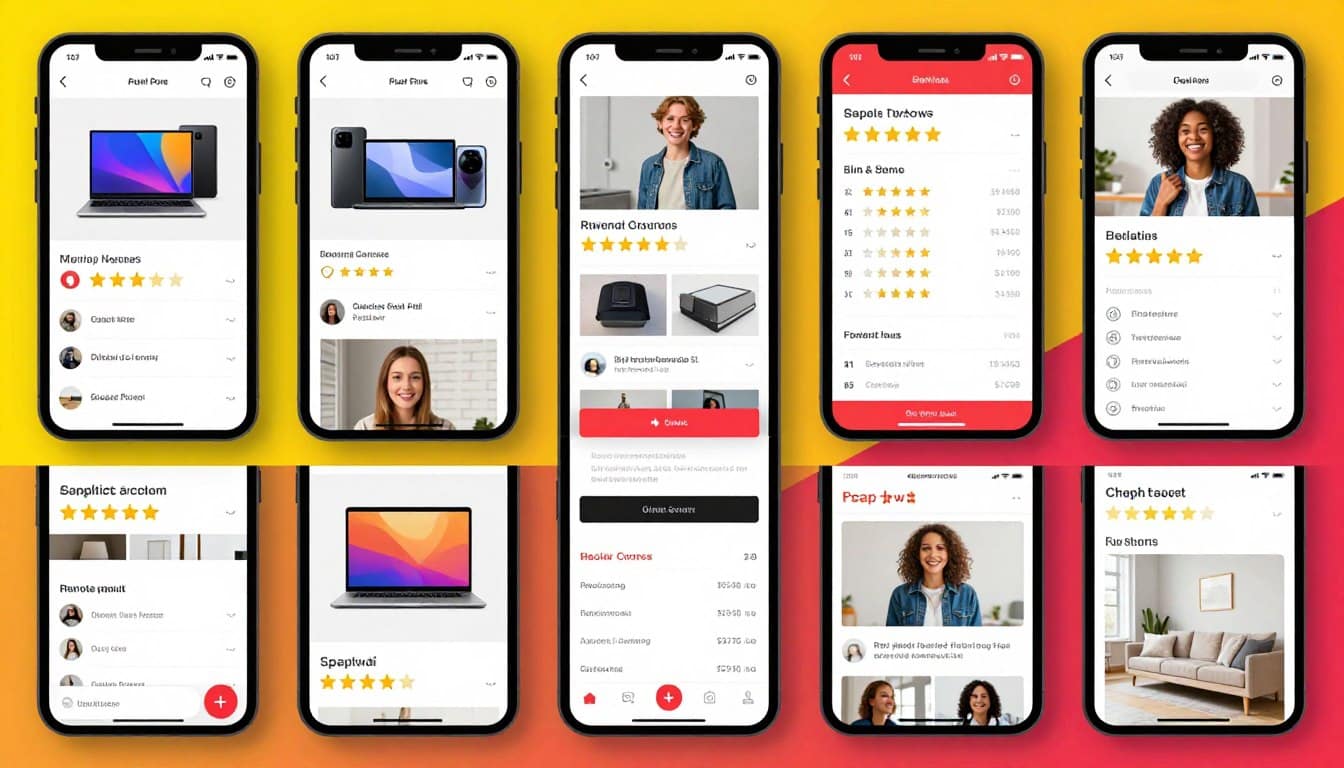
AliExpress combines seller metrics, product scores, and buyer feedback to create visible trust signals. Ratings show up on product pages, seller storefronts, search results, and category listings. You will see star averages, total review counts, and percentages that aim to summarize reputation at a glance.
Rating elements: product score, seller score, and feedback
Product score usually appears as an average star rating or numeric value tied to a specific SKU or listing. Seller score measures items as described, communication, and shipping speed. Buyer feedback includes written reviews, photos, and videos that add depth beyond numbers.
How ratings are calculated and displayed
AliExpress takes into account both new and old reviews. More recent feedback tends to be more influential. The display formats include star ratings, total review counts, percentage of positive feedback, and buyer-uploaded images you can browse through.
Common rating thresholds and what to watch for
- 4.5–5.0 stars with lots of reviews usually means safer than a high score but few reviews.
- Sellers with 95% or more positive feedback and many orders often show steady quality.
- Watch out for listings with many same-sounding reviews or high scores but few reviews; they might not be genuine.
Looking at all these elements together boosts your chances of a successful buy. Focus on product scores, seller reputation, and buyer images to decide if an aliexpress review is reliable when shopping on aliexpress.
Using Ratings to Improve Your Buying on AliExpress
Ratings give you a quick view of a product’s quality. But, smart shoppers look beyond the surface. They combine the overall star rating with the number of reviews and recent feedback. This is because small details in reviews can tell you more about the product’s fit, material, and how it’s shipped than just the numbers.
How to interpret star ratings and review counts
Always compare the average rating to the total reviews. For instance, a 4.9 rating from 5,000 people is more reliable than a perfect score from just five people. Look at the spread of high and low ratings to catch any red flags. With newer or less common products, you’ll see fewer reviews. In these cases, pay closer attention to the seller’s return and refund policies.
Reading written reviews and buyer photos effectively
When examining reviews, look for patterns. Pay special attention to comments on size, color, and how long something lasts. Photos and videos added by users are particularly valuable. They often show the true colors and size of the item. Check where the reviewer is from and when they bought the item. Reviews from U.S. buyers can give insights into shipping times and customs.
Filtering and sorting search results by ratings
Utilize AliExpress’s filters to zero in on top-rated or most reviewed products. When searching, mix rating filters with other criteria like price, free shipping, or how many have been sold. This helps find well-established products. But, always look at individual product pages for more review details. Filters sometimes overlook critical information.
Using ratings together with other indicators
Combine the site’s ratings with how many times a product has been ordered. This can help judge both its popularity and how reliably it’s sent out. Look into shipping methods and delivery times. Options like ePacket offer better tracking, especially for U.S. deliveries. Always check that AliExpress Buyer Protection covers your purchase and review the seller’s refund policy.
For expensive buys, also check reviews outside AliExpress. Look at the brand’s website, Instagram, or YouTube for more detailed reviews. By considering ratings, reviews, how many times an item has been ordered, shipping practices, and AliExpress guarantees, you can better decide if a purchase is worth it.
Evaluating Sellers: Tips for Spotting Reliable Stores on AliExpress
To trust a seller on AliExpress, start by checking simple things. Look for badges like Official Store or Top Brand. Also, see how many followers they have, their positive feedback rate, and how long they’ve been selling. These signs are crucial. They show a seller’s good track record and rule-following on the platform.
Understanding seller reputation and store badges
Sellers get ranks based on their sales and what buyers say about them. A Top Brand usually signals branded items and better quality checks. An official store might offer guarantees or promise real products, unlike other listings. Look at the aliexpress rating and scores for products to understand these badges better.
Signs of trustworthy sellers versus red flags
- Trustworthy: clear descriptions, correct sizes, many pictures, and lots of recent good reviews from real buyers.
- Red flags: unclear or same descriptions, stock images for different items, prices that don’t make sense, and sellers not answering questions.
- Look out for long times to send items and many complaints about slow delivery or bad quality in reviews.
How to use contact, return policy, and dispute history
Talk to the seller before buying to ask about size, if the item works with your needs, or about delivery. If they answer quickly and helpfully, that’s good. Always read the return policy to know who pays for returns and the time limits.
Looking at a seller’s dispute history can help. Many unresolved issues could mean a higher risk when buying. If a dispute might happen, keep screenshots of all chats and transaction info.
Third-party verification and external reviews
Don’t just rely on AliExpress. Check out YouTube videos, Reddit posts, and blog tests. They show how products work over time and can point out problems. Instagram or TikTok can give quick views on fashion and tech items.
For costly things, see how the seller’s offer stacks up to the brand’s Amazon page or its own website. Comparing prices and guarantees helps know if a deal is genuine and worth it, based on aliexpress ratings.
Common Rating Issues, Fake Reviews, and How to Protect Yourself
Ratings guide us when shopping on AliExpress, but they’re not always right. Spotting issues early can save both time and money. This guide highlights signs of trouble, effects of faked feedback, and ways to safeguard your purchases.
Recognizing fake or incentivized reviews
Watch for lots of brief, vague comments appearing closely together. Reviews sharing repeated phrases or from users with few other reviews can be suspect. Genuine buyers often share photos and details about the product’s fit, material, or delivery. Be cautious if sellers offer refunds, coupons, or gifts for positive reviews. Such bribes can skew the real picture.
How rating manipulation affects credibility
Score boosting by sellers can hide ongoing product issues. This trick can make you question the reliability of any aliexpress review and if aliexpress is worth it for that item. Some might use fake accounts or pay for positive reviews. Whilst platform checks catch many, some slip through. Prefer listings with lots of verified buys and outside validations to counteract dubious feedback.
Steps to take if received items don’t match ratings
Record issues right away with clear photos and videos. Show what’s wrong or different. First, reach out to the seller with these proofs asking for a refund, a new item, or some money back. Keep all chat on AliExpress to have evidence of your talks.
Using buyer protection, disputes, and documentation
Start an official dispute within AliExpress’s allowed time following their guide. Include time-stamped pictures, your order number, tracking info, and a clear problem statement. If the seller’s response isn’t helpful, seek further help from AliExpress support or mediation options. In the U.S., use other dispute options like your credit card or PayPal when needed if the platform’s solution isn’t enough.
Being cautious is key on aliexpress. Keep good records, trust verified buyer posts, and act fast if a purchase doesn’t match its aliexpress rating or the seller’s promise. These actions help minimize losses and get better results when ratings don’t match the truth.
Conclusion
This guide helped you understand aliexpress’s rating system for smarter shopping. We looked at product scores, seller reputation, and buyer feedback. We also showed how to interpret star ratings, recent reviews, and buyer photos for true quality.
Additionally, we talked about seller badges, return terms, and tools for disputes. These protect you when shopping on aliexpress.
If you’re shopping from the U.S. and wondering about aliexpress, here’s a tip. Choose products with high ratings, lots of recent reviews, and verified seller badges. Also, look for products with tracked shipping and clear return policies.
For cheaper items, taking a small risk can lead to big savings. But, for more expensive or important purchases, pick verified stores or known alternatives.
To avoid fake reviews and bad deliveries, look at several things. Check review numbers, recent buyer photos, the seller’s history, and any warranties. Always keep records of your orders. And use buyer protection if what you get isn’t what was advertised.
Before you buy, go through this quick checklist: review the star rating and number of reviews, look at recent buyer photos, check the seller’s badges and policies, confirm the shipping method, and save all receipts and messages. A little effort before buying on aliexpress can make many purchases worthwhile. This way, you keep risks low and results more predictable.
Content created with the help of Artificial Intelligence.