Advertisements (ou Ads)
This guide helps mobile-first shoppers find the best apps for fashion marketplaces. It explains what fashion marketplace apps do. It also shows what to look for in these apps.
We point to top online fashion stores apps and online clothing marketplaces worth checking out. These apps make shopping easier and more fun.
Advertisements (ou Ads)
A fashion marketplace is an app or platform that hosts many sellers or brands in one place. Users can browse varied inventory. They can compare prices and complete purchases in a single checkout.
This mix offers more discovery than a single-brand store. It also makes it easy to compare styles and costs before you buy.
The article speaks to women aged 16–34 who shop on phones. They often watch fashion content on Instagram and TikTok. The tone is friendly, direct, and clear.
It highlights trade-offs like price versus quality and speed versus ease of returns. This way, readers can pick apps that match their style and budget.
Key Takeaways
- Fashion Marketplaces group many sellers for easy browsing and comparisons.
- Fashion marketplace apps make discovery simple with one checkout flow.
- Online fashion stores apps vary by price, shipping speed, and return policies.
- Look for strong search, filters, wishlists, and secure checkout features.
- Balance budget and quality by reading reviews and checking seller ratings.
Top Fashion Marketplace Apps to Download Now
Shopping for clothes on your phone should be quick, clear, and fun.
This section walks through what to check when trying new fashion marketplace apps and which features make shopping smart and safe.
What makes a great fashion marketplace app
A strong app has a wide catalog with accurate product details and sharp images.
Fast search with autocomplete and synonyms helps users find items without fuss.
Clear size charts and honest fit notes reduce returns.
Secure payment processing and transparent fees build trust between buyers and sellers.
Good seller vetting keeps listings accurate.
Apps with these basics often earn positive reviews from users.
Key features to look for: search, filters, wishlists, and secure checkout
- Advanced filters for size, color, price, sustainability, and seller rating make browsing precise.
- Smart wishlists let users save items and get alerts for price drops or restocks.
- One-tap checkout with tokenized cards or digital wallets speeds up purchases and feels secure.
- Order tracking and easy return labels simplify post-purchase steps.
- Push notifications for sales and shipping updates keep shoppers informed on the go.
Popular apps across the United States and why they stand out
Multi-brand marketplaces rise for discovery and curated drops.
Apps with community features like user photos and honest reviews help shoppers decide faster.
Platforms known for fast search and clean mobile UX suit short attention spans and frequent browsing.
App-only promotions and smooth onboarding reward users who download the app first.
- Test onboarding and search within the first 10 minutes to see if the app fits your routine.
- Compare saved items and wishlist alerts across apps to find the best deals.
- Read recent reviews and user photos to check real-life fit and fabric notes.
How to choose online clothing marketplaces for your style and budget
Choosing between apps takes a few quick checks. Think about price, returns, shipping, and what real buyers say.
This short guide helps shoppers compare online clothing marketplaces. It offers clear steps and examples from familiar brands.
Evaluating pricing strategy: budget fashion platforms vs premium marketplaces
Budget fashion platforms like Shein or H&M offer low prices through flash sales and volume buying. They use coupons and frequent promos to attract buyers.
Premium marketplaces such as Net-a-Porter or Farfetch list designer pieces and curated boutiques. Expect higher prices, more durable fabrics, and strict seller vetting.
- Consider total cost: add shipping, taxes, and return fees before checkout.
- Look for price-match policies or loyalty perks that reduce long-term expenses.
- Weigh initial savings against the expected wear and care of the item.
Assessing shipping, returns, and customer support policies
Delivery speed varies by marketplace and seller. Check standard and express times before buying.
- Read the return window and see who pays for return shipping.
- Note refund type: original payment often feels safer than store credit.
- Confirm support channels: in-app chat, email response times, or phone options.
- Verify fraud protection and how disputes between buyers and sellers get resolved.
User reviews and ratings: reading shopping platforms review effectively
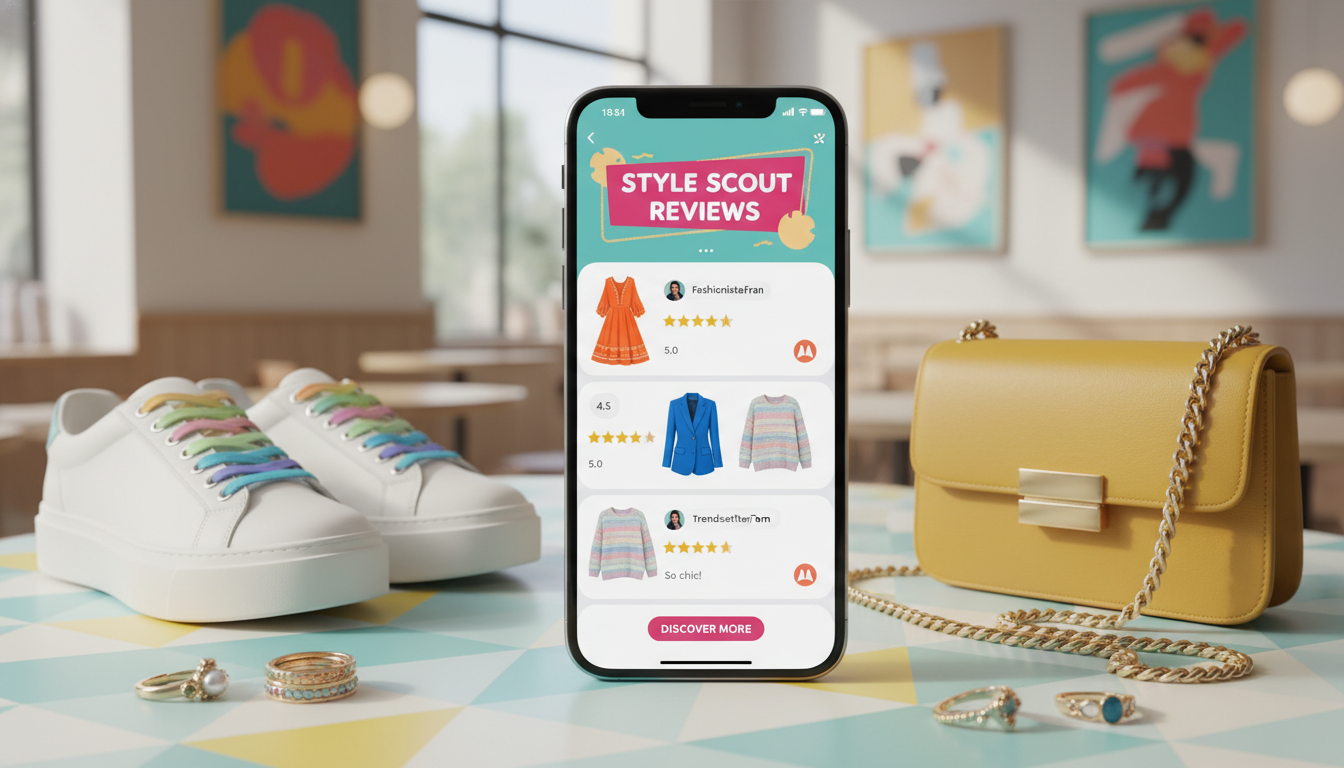
Scan verified purchase reviews for sizing, quality, and delivery notes. Photo reviews show real-world fit and fabric texture.
- Spot repeated complaints like sizing errors or slow shipping.
- Use filters: most recent and most helpful narrow down reliable feedback.
- Compare rating volume: many reviews give stronger evidence than few.
- Combine reviews with policy checks to decide between budget and premium choices.
Testing a small, inexpensive order is a low-risk way to learn a platform’s real service.
Repeat this on several apps to find marketplaces that match your style and wallet.
Fashion Marketplaces
Fashion Marketplaces gather many brands and sellers in one place. This makes discovery quick and visual.
They work differently from single-brand storefronts. They offer tools that help users compare pieces, prices, and shipping without switching apps.
What defines a fashion marketplace vs a single-brand store
Marketplaces host third-party sellers and many labels in a single app. Shoppers can browse multiple brands, styles, and prices at once.
Single-brand stores sell only their own inventory. They shape the shopping experience around a specific identity and focus on storytelling, loyalty, and size consistency.
Benefits of multi brand fashion apps for variety and discovery
Multi-brand fashion apps make outfit building simple. Buyers can mix pieces from different labels in one cart, saving time and reducing checkout delays.
These apps show users independent designers and well-known houses side by side. Aggregated ratings and curated feeds help trend-focused shoppers decide faster.
Clothing aggregator apps and how they simplify comparisons
Clothing aggregator apps pull listings from many marketplaces. They show price, availability, and shipping times in one view to reduce app-hopping.
Aggregators often add alerts for restocks or price drops across platforms. Shoppers should still check seller ratings and return policies before buying.
Best apps for budget and cheap clothing marketplaces
Finding great deals in online clothing marketplaces starts with knowing where to look. Apps can surface daily offers, manage coupons, and send flash sale alerts.
These features help users see price drops fast and save money on clothing.
Where to find deals: daily offers, flash sales, and coupon integrations
Check in-app deal sections and flash sale pages that refresh often.
- Enable push notifications for time-limited discounts and app-only promo codes.
- Look for install credits, referral bonuses, and loyalty points that lower checkout totals.
- Time purchases around seasonal clearances or off-season drops for deeper savings.
Balancing cost with quality: tips for smarter purchases
Read fabric content and care instructions to judge durability before buying.
- Prefer listings with customer photos and honest reviews to check real wear and fit.
- Buy wardrobe essentials in sturdier fabrics and take trend pieces from fast sources.
- Consider return policies; paying a bit more for easy returns can save money long term.
- Use wishlists and a 48-hour rule to avoid impulse buys.
Examples of fast fashion marketplaces and budget fashion platforms
Fast fashion marketplaces move trends quickly and keep prices low. They are good for seasonal looks and social feeds.
Budget fashion platforms focus on basics, bundles, and constant promos to stretch a shopping budget across more pieces.
- Set price alerts and saved searches to catch markdowns without constant checking.
- Compare similar items across apps to spot the best value among cheap clothing marketplaces.
- Factor shipping and return ease when choosing between platforms in online clothing marketplaces.
Shopping experience features: fashion ecommerce apps and shopping platforms fashion
A smooth shopping experience keeps users coming back. Top fashion ecommerce apps use smart personalization and visual tools.
They also offer fast mobile flows to make browsing feel effortless and fun.
Personalization tools: recommendations, curated feeds, and size suggestions
Recommendation engines suggest items based on past views, purchases, and saved pieces. This trims search time.
It highlights things the user is likely to love.
Curated feeds and style editors showcase trends and outfit combos from Vogue or Condé Nast editors.
This helps shoppers discover looks without endless scrolling.
Size suggestion tools pair brand size charts with user-submitted data to recommend the best size.
That lowers returns and increases buyer confidence.
Personalized push notifications alert users to restocks or new drops that match their taste.
These nudges feel timely when they reflect real preferences.
Visual search, virtual try-on, and augmented reality shopping features
Visual search lets shoppers snap or upload a photo to find similar items across listings.
It works well on big platforms and niche apps.
Virtual try-on uses AR to overlay dresses or accessories or to fit a virtual model.
This reduces uncertainty and helps users decide faster.
When visual search pairs with accurate size and fit data, shoppers see better results.
They feel more likely to buy.
Mobile-first UX: speed, navigation, and payment options in online store apps fashion
Fast-loading pages and smooth scrolling matter on mobile devices.
Slow apps lose attention and lower conversion rates.
Clear categories, strong filters, and a visible cart make navigation simple.
One-tap checkout trims steps and reduces drop-off.
Multiple payment options like digital wallets and buy-now-pay-later cut friction.
Easy returns and one-tap reorder keep users loyal to their favorite apps.
Tools for sellers and buyers: clothing marketplace tools and fashion buying apps
Marketplace platforms now serve two groups: sellers who want reliable systems and buyers who want easy shopping.
Smart clothing marketplace tools cut admin work for sellers and make shopping smoother on mobile devices.
Inventory, listing, and analytics tools for multi-vendor apps
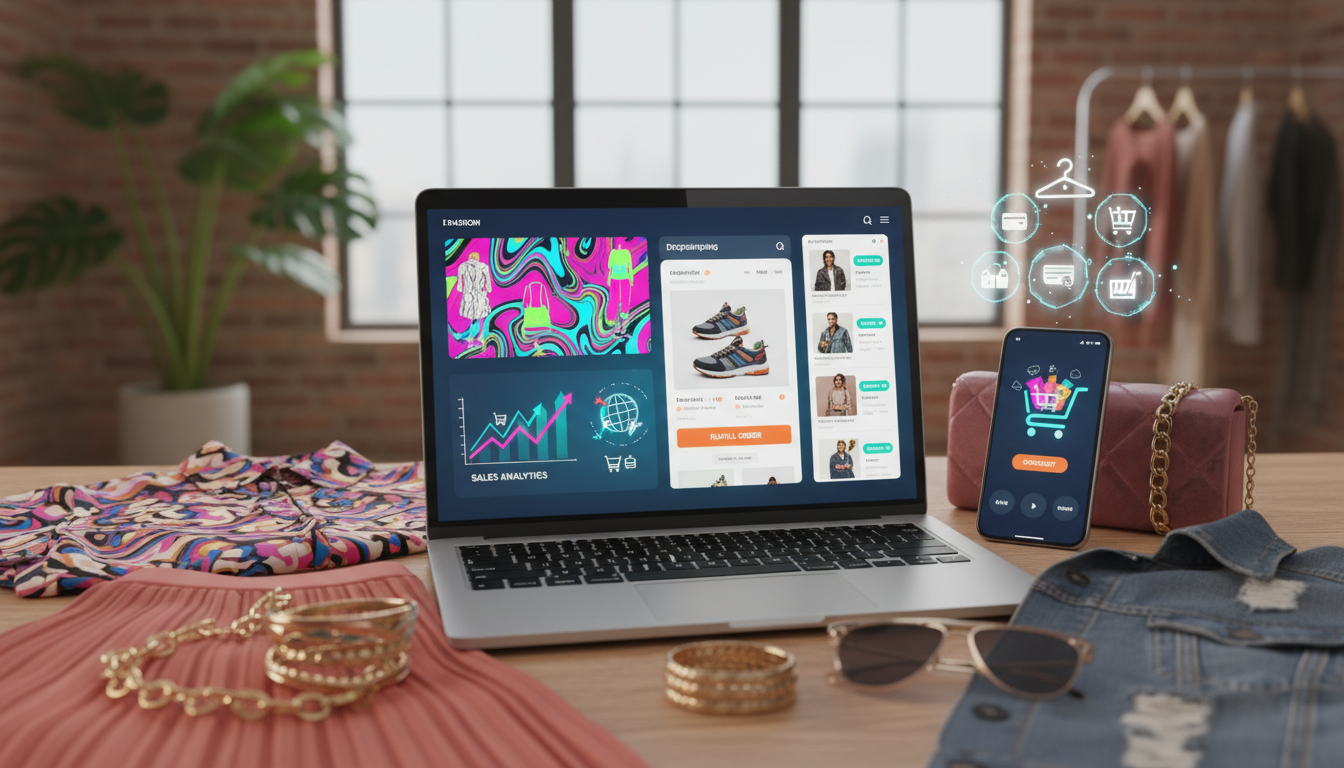
- Seller dashboards let merchants upload listings, manage stock, and sync inventory across channels in one place.
- Bulk listing features save hours for brands with many SKUs and speed time-to-market.
- Analytics panels show conversion rates, top items, and common return reasons to optimize assortments.
- Fulfillment integrations with carriers and warehouses simplify shipping and returns for busy sellers.
Buyer tools: price alerts, saved searches, and outfit planning utilities
- Price alerts and saved searches notify shoppers when items hit a target price or restock in size.
- Outfit planning lets users save looks, mix-and-match pieces, and create shareable boards for feedback.
- In-app size profiles store measurements to improve size suggestions and reduce returns later.
- Wishlist sharing and collaborative boards support group decisions before checkout.
Integrations with social selling, reviews, and loyalty programs
- Social integrations enable product links from Instagram and short videos, boosting discoverability.
- Verified reviews with photo uploads build shopper trust and give clearer context in platform reviews.
- Loyalty systems and referral rewards encourage repeat activity and reward community sharing.
- Sellers can track influencer partnerships and promo codes to measure traffic and conversions.
Choosing platforms with strong seller features and easy buyer tools is key to success in online marketplaces.
The best fashion apps balance ease of use for vendors with fun, smooth shopping for customers.
Conclusion
Choosing the right fashion marketplaces means matching apps to style and budget. Always check shipping and return policies first.
Focus on fashion marketplace apps and multi-brand apps that offer clear sizing, secure checkout, and reliable reviews.
Look for strong search features, accurate filters, and personalization tools like visual search and curated feeds.
Use buyer tools like wishlists, price alerts, and verified customer photos to shop with more confidence.
Budget marketplaces can offer great deals. But always weigh cost against quality and return policies.
Try two or three apps to compare catalogs and user experience before deciding. Keep your expectations realistic about shipping times and fabric differences.
Final tip: rely on verified reviews and use saved searches to avoid impulse buys.
Test personalization features to find what works best. Shopping choices vary, so experiment to pick apps that fit your style and routine.
Content created with the help of Artificial Intelligence.