Advertisements (ou Ads)
What are you looking for?


The SHEIN Free Trial Center lets shoppers try select clothing before buying. It is part of the SHEIN app designed for mobile users.
This feature helps customers check fit, fabric, and style at home before making a decision. It shows as a special section inside the app.
The goal is to reduce uncertainty when buying online. Customers get to see items in real life, which can lower returns. The app clearly shows trial periods and return steps.
Items ship through standard SHEIN channels. Access depends on account status and program rules. Some items for trial have limited quantities.






This article explains how to use the SHEIN Free Trial Center. It covers app features, step-by-step rules, and best practices. It also shares customer feedback on trying before buying.
Key Takeaways
- Simplifies testing clothes at home through the shein free trial center.
- Designed for mobile shoppers via dedicated shein app features.
- Helps assess fit and fabric to reduce unwanted returns.
- Availability and access can vary by account status and item limits.
- Clear trial windows and return steps display inside the app.
Explore SHEIN Free Trial Center: How It Works
The Trial Center inside the SHEIN app lets shoppers test selected pieces before committing. This intro explains what the feature does and who can join the program.
Many users prefer to try before buying SHEIN items to ensure satisfaction and avoid disappointment.
Overview of the Free Trial Center feature
The Free Trial Center is an opt-in area listing eligible tops, dresses, bottoms, outerwear, and seasonal items. These items are available for short-term testing.
Each entry shows available sizes, trial period length, and any fees or deposits required before sending a request.
Items change regularly and some tie to limited campaigns or promotions. The app shows trial rules and return windows to set clear expectations.
Who is eligible for the SHEIN free trial program
To join, users need an active SHEIN account in good standing and a confirmed shipping address.
Accounts with many violations or recent returns may have limited access to the trial program.
New users often face restrictions until they build purchase or engagement history. Verification steps like phone or email confirmation are required.
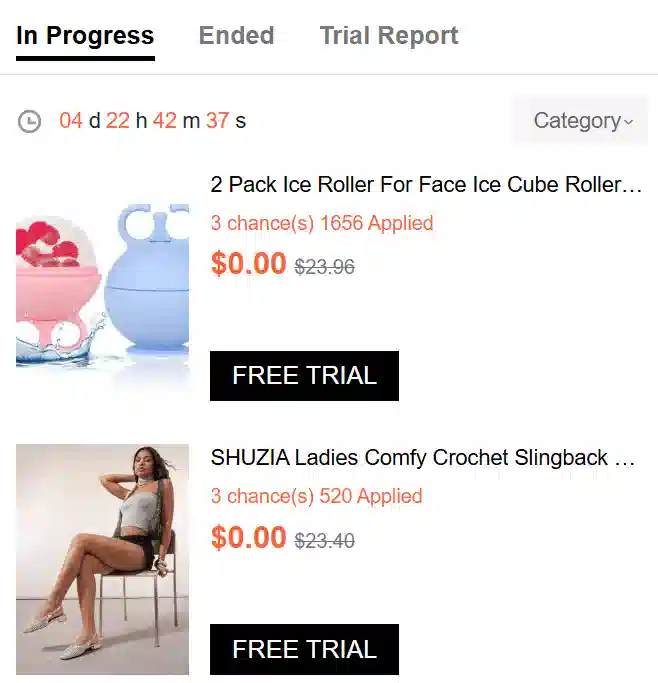
The app displays eligibility status on profile pages so users know if they qualify before trying.
Key benefits of trying before buying on SHEIN
- Reduce sizing guesswork by testing fit and cut in person.
- Assess fabric, color, and construction before final payment.
- Save time and potential return fees by deciding within the trial window.
- Improve outfit planning and content creation by coordinating trial pieces with an existing wardrobe.
This SHEIN trial guide helps users weigh the pros and cons clearly. It supports smarter wardrobe choices through informed trial requests.
How to Access the SHEIN Free Trial Center Through the App
Accessing the trial program is easy when the app is set up right. This guide covers installing SHEIN and finding the Trial Center. It also explains account checks to keep tests running smoothly.

Shein
The beauty of fashion should be accessible to everyone
Downloading and setting up the SHEIN app
- Install SHEIN from the official app store. Allow notifications and location permissions to improve your experience.
- Create an account or sign in with your email or phone number. Fill in your profile and save a shipping address to speed up trial requests.
- Turn on app notifications to get alerts about new drops in the shein free trial center. Also, watch for time-sensitive offers.
Navigating to the Trial Center within the app
- Find the Trial Center on the homepage carousel or in the app menu under Events, More, or Discover when active.
- Trial listings show item photos, sizes, trial length, and deposit or condition details you need to review.
- Use filters to sort by category, size, or newest additions. This helps you find shein app features that fit your needs.
Account requirements and verification steps
- Verify your email and phone when asked. Some accounts need identity confirmation to reduce fraud and keep access fair.
- Keep a good account history. Frequent returns or policy issues can limit your trial eligibility.
- Set a default payment method and shipping address. These may be needed to request a trial even if the item is deposit-based or free.
Use this shein trial guide as a checklist before requesting an item. Preparing ahead saves time and avoids last-minute problems.
Quick shein shopping tips: check listing rules, confirm size availability, and watch notifications for limited trial windows.
Step-by-Step Trial Process and Rules for Testing Items
This part explains how the trial works and what to watch for when testing pieces from the Trial Center.
It guides users through selecting items, understanding the trial window, and meeting condition rules for returns.
How to select items for a clothing test
Open the Trial Center and tap any listing to see size options, material details, and exact measurements.
Check item notes for restrictions like sample-grade or non-returnable tags.
Pick the size or sizes you want to try and submit the trial request.
Some listings limit one try per user or household, so read the rules before you request.
Trial period length and return windows
Each listing shows the trial window.
Common lengths range from a few days up to about two weeks depending on the piece.
The countdown starts at delivery confirmation or at a specific activation time shown in the app.
Start the return process before the window ends to avoid charges or loss of deposit.
Condition requirements and acceptable use policies
Return items in original condition with tags attached and without stains, odors, or alterations.
Do not launder or heavily wear items unless the listing explicitly allows it.
Damaged returns, missing tags, or evidence of alteration can lead to fees, partial charges, or account limits.
Follow the app’s return steps and use provided return labels when required.
Tips and Best Practices for Maximizing the SHEIN Trial Experience
Testing items at the shein free trial center works best with a clear plan. Short steps save time and reduce return hassles.
Use focused checks on fit, fabric, and styling while the piece is still fresh in the box.
How to choose the right sizes and styles
- Compare your measurements to the item’s size chart and the app’s measurement guide instead of relying on generic labels.
- Look at model measurements and the size the model wears to judge length and fit.
- Prioritize trying dresses, jumpsuits, and tailored pieces since they show the biggest fit variance in shein product testing.
Using reviews and outfit inspiration to inform trials
- Read buyer reviews for notes on fit, fabric weight, and color accuracy. Reviewer photos give real context.
- Search social feeds using the product code or style name to see how creators style the item in real life.
- Save outfit ideas in the app or your camera roll so you can test shein outfits during the trial period.
How to handle returns and avoid fees
- Start the return in the app before the trial deadline and follow the specified return method to avoid surprises.
- Keep original packaging and tags until you confirm you’ll keep the item.
- Use tracked shipping or the provided return label and save tracking numbers until the return is confirmed to protect against disputes.
These practical shein shopping tips help make the most of short try-on windows.
A small checklist and quick photos during the trial make decisions easier and speed up exchanges if needed.
SHEIN Free Trial Center: Customer Experiences, Reviews, and Common Issues
The SHEIN Free Trial Center gets mixed feedback from shoppers wanting to test items at home before buying. Many readers check shein reviews to decide which pieces to try or skip. This section sums up real experiences, common problems, and useful fixes from user reports and shopping habits.
Summary of user feedback
Many shoppers praise the free trial center for allowing fit and fabric checks without upfront buying. Positive shein reviews say it helps outfit planning and lowers return stress when trying new tops or dresses. Critiques often note limited item availability, shipping delays, and strict return rules that reduce trial benefits.
Common problems and quick fixes
- Delayed trial shipments: track your order in the app and use chat support for updates.
- Sizing surprises: measure and photograph items when they arrive to document condition for returns.
- Missing Trial Center access: update the app, verify your account, and check recent return history.
Practical troubleshooting steps
- Watch app tracking and contact customer support if a trial delivery is late.
- Keep photos and measurements to help with disputes about condition or fit.
- Make sure the app is updated and your account verified to access trial options.
Impact on shopping habits
The free trial program encourages bolder choices by lowering risk during shein clothing tests. Many users say their wardrobe planning improves after trying trend pieces at home. Shoppers then rely on shein reviews and trial results to pick sizes better and reduce returns.
How to use this guide
Use this shein trial guide as a quick checklist. Verify access, document deliveries, and follow return rules for better shopping. This approach helps turn trials into confident purchases and smarter outfit choices.
Conclusion
The Explore SHEIN Free Trial Center lets you try items at home using a mobile-first approach. You can assess fit and appearance before purchase. This reduces guesswork by letting shoppers try before buying SHEIN items.
However, you must follow clear rules about item condition and timing. To use the trial center, download and verify the SHEIN app. Then find the Trial Center, read item rules, and request a trial.
Test items within the allowed window and document their condition on delivery. Return the items per instructions to avoid fees. For best results, use size charts and read reviews.
Save styling ideas as part of your SHEIN shopping tips. The Trial Center helps you make smarter choices. Still, outcomes vary by item and individual fit.
Follow the steps and rules to make the most of the try-before-buying SHEIN option.
👉 Shein Free Trial Guide
Understand how the program works and what to consider before joining.
SEE HOW IT WORKS ▶️Watch the ad to access the content.
Content created with the help of Artificial Intelligence.