Anúncios
What item are you looking for at Nike?
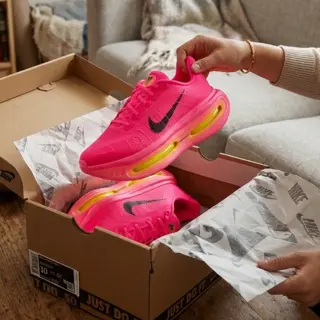

I’m eager to give you a step-by-step guide to join Nike Running Shoes product tests. You’ll learn why it’s crucial, who can test, and how your insights influence Nike’s design teams. This includes teams like the Nike Sport Research Lab and Nike Running.
A Nike tem uma longa história de criação de produtos baseados nas necessidades dos atletas. A equipe do Nike Sport Research Lab utiliza o feedback dos corredores para aprimorar o conforto, o ajuste e a resistência dos calçados. Ao testar seus produtos, suas experiências influenciam diretamente o desenvolvimento de calçados nos quais muitos confiam.
This guide covers who’s eligible, where to find testing chances, how to apply, and what to do once you’re in. It also explains how to report issues during the test. I’m writing this with a friendly voice for runners everywhere, though some opportunities may vary by location.
Want to help shape future Nike running shoes? I’ll show you how to become a trusted tester and get the most from each chance you get.



Key Takeaways
- I’ll detail the workings of Nike Running Shoes product tests and their importance.
- You’ll learn where to find Nike testing opportunities and how to apply successfully.
- Tips on preparing, tracking your runs, and offering helpful feedback are included.
- We’ll explore how feedback influences decisions at the Nike Sport Research Lab and Nike Running.
Why I want to join Nike running product tests
I run most mornings and am always curious about shoe technology. My interest in Nike’s tester programs springs from my love for running, fascination with Nike technologies like Zoom and Vaporfly, and a wish to improve the gear I use. This opportunity seems like a great way to understand design and materials while keeping close to running, my favorite sport.
My motivation for participating
I’m eager to see how prototypes handle real-world conditions. I enjoy logging my runs, comparing shoe comfort, and tracking how they adapt over time. Being in the Nike product testing program allows me to turn my observations into helpful feedback. I appreciate how my thoughts on their shoes’ comfort and performance contribute to Nike’s improvements.
How being a tester influences product design
Testers play a crucial role in the development process. I provide detailed feedback on fit, comfort, and wear from my experiences. Nike uses our insights to refine and improve their prototypes.
Even small changes can significantly affect a shoe’s feel. My observations, alongside lab tests, help paint a clearer picture of a shoe’s performance. This helps Nike make final adjustments and decisions on their products.
Nike Voice of the Athlete initiative
What I hope to gain: perks, early access, and community
I look forward to trying new Nike models before they hit the market. Whether it’s free shoes or gift cards, the rewards vary. But for me, it’s not just about the perks. It’s about having a hand in shaping great running gear.
Testing also connects me with a community of fellow runners. Exchanging ideas, and sometimes meeting Nike athletes, enriches the experience. It strengthens my bond with the product and the running community.
Who is eligible to become a nike running tester
I joined Nike’s product trials to share what I learned. Each project has its own rules, so I always check them carefully. I’ll talk about who typically gets to test Nike’s products here.
Fitness level and running experience considerations
Nike looks for different kinds of runners. They might need someone who likes casual runs or someone who runs marathons. They match the test with your running style, like needing more cushion for long runs or shoes for fast sprints.
Being honest about how much I run, my pace, and where I run is important. This way, Nike knows if I fit their test and I can give useful feedback.
What Nike looks for in a tester profile
They value a solid running history and clear communication. Having reviewed products before can be a plus but isn’t always needed. Sometimes, they look for testers who can spread the word about their experience.
Nike wants testers of all shapes and running styles. They are looking for reliable people who can share helpful feedback. This helps them make shoes better for everyone.
- Consistent running and honest records
- Following test instructions and reporting clearly
- Having related experience or learning quickly
- Diverse runners
- Being available and dedicated
Just meeting the basic requirements doesn’t mean you’ll be picked. I make my application stand out by highlighting what makes me a good fit. This way, I improve my chances of testing Nike’s running gear.
Running Shoes nike product tests
I join nike product testing to see how new designs work on different surfaces. I share precise data and my own thoughts to help the team focus on what matters to runners.
Types of tests conducted for running shoes
In the lab, we use pressure maps, force plates, and watch runners on treadmills to catch issues early. We also test foam types like React and ZoomX to see how they compress and bounce back.
Outside, we try the shoes on roads and trails, checking how they feel at different speeds. We compare two versions of a shoe to spot changes in how soft they feel and how stable they are.
We wear the shoes until they start to break down to test durability. We also see how they fit, how easy they are to lace, how heavy they feel, and how well they handle wet and dry conditions.
Typical timeframes and commitment expectations
Short trials, lasting one to two weeks, help us get a sense of the shoe’s size and comfort right away. Medium trials go for one to two months to see how well they hold up over time.
Long tests take months, proving if the shoes last. I send in weekly updates, answer surveys, and sometimes get checked in the lab. Testers have to keep track of how far they run and use only the test shoes for the best results.
How feedback from these tests shapes final products
I give detailed feedback, numbers, and sometimes videos to explain issues. Nike looks at all the data to find and fix frequent problems like uncomfortable spots, midsole wear, or poor grip.
If a lot of us report the same issues, those problems get fixed first. Shoes that do well might get made with minor adjustments. Those that don’t do as well go back for more work, using what we found out to make them better.
How I find and apply to nike product testing opportunities
I have a simple system that saves time and improves my chances. First, I check official Nike channels, then partner sites and community pages. My aim is to quickly spot and reply to testing opportunities with precise details.
Where I look
- Nike.com and the Nike Running Club app for member-only invites and program notices.
- Nike membership emails and push messages from the Nike app for time-sensitive opportunities.
- Social channels: Nike Running, Nike News, NikeLab on Instagram and X, plus local Nike store accounts on Facebook.
- Partner platforms: Strava club pages, Runner’s World collaborations, local running clubs, and university research partnerships.
- Third-party recruiting platforms and testing agencies that handle occasional brand contracts and community trials.
Tips for alerts and following the right accounts
- Follow Nike Running, NikeLab, and Nike News to quickly see official program posts.
- Watch top Nike athletes and designers for hints of new testing opportunities.
- Enable app notifications and sign up for newsletters to get direct invites.
- Set Google Alerts for “Nike product testing” and “nike shoe testing”. Monitor forums and Strava clubs for local opportunities.
How I fill out applications to stand out
- Give details like exact shoe size, weekly mileage, terrain, and recent race times clearly.
- Add training logs, and if asked, include videos or photos to show my running style and testing surfaces.
- Share previous testing experiences, list brands I’ve worked with, and offer references when possible.
- Customize answers to match the testing goals, remain honest, and be specific.
- Always proofread my application and include an example of feedback if possible.
This method keeps me on recruiters’ radar and shows I’m a dependable choice for Nike tests. It also makes it easier to apply quickly with the right information when an opportunity arises.
Preparing to be an effective nike shoe testing participant
I approach every test like it’s my job. I bring the correct gear, keep detailed logs, and plan to share exact findings. My goal is to contribute valuable feedback to Nike’s product testing. By doing this, I prove my commitment as a Nike running tester.
What gear and tracking tools I bring
- GPS watch or phone run-tracking app like Garmin, Apple Watch, or Strava for accurate pace and distance.
- Heart-rate monitor for checking workout intensity and recovery.
- Training shoes for other exercises to save the prototypes.
- Pressure-mapping socks or special insoles if needed to analyze pressure areas.
- Measuring tape and scale to track fit and weight changes.
- Smartphone or camera for photos and videos showing how I run and any issues.
- I run the same routes under similar conditions to make fair comparisons.
How I keep accurate notes and test logs
- I organize my notes: date, distance, pace, terrain, weather, comfort level out of 10, and any pain or pressure.
- I keep separate columns for clear metrics: steps per minute, time my foot is on the ground, and heart rate.
- I save my spreadsheets online and date my photos and videos for evidence.
- When Nike gives me forms, I make sure my info fits their format for easy integration.
- I back up my data every day and keep notes clear and to the point.
Communicating clearly: giving constructive feedback
- I’m specific about problems, like a shoe rubbing after running on concrete at a fast pace for a long time.
- I avoid unclear language and compare with my usual shoes to highlight differences in comfort or performance.
- I suggest what might be causing an issue, making it easier for the designers to figure out a fix.
- I use numbers and personal experience, adding charts or videos to support my points.
- My feedback is always polite and based on facts to make sure it’s taken seriously and used to improve designs.
What to expect after I’m accepted into nike product testing
Getting the acceptance email means it’s time to start testing. Now, we move from simply applying to actually testing. I receive information on what to do next, like shipping dates and what Nike expects from me as a running tester.
Onboarding steps and legal considerations
- I need to sign a Non-Disclosure Agreement (NDA) to keep new designs secret. Plus, a form that goes over the rules of the study.
- There are also waivers about the risks and how to use everything correctly. I make sure I understand everything, especially about shipping and returns.
- Nike usually sets up a call or sends an email explaining everything. This includes when I need to check in with them.
Receiving prototypes and using them properly
- When the shoes arrive, I check everything: the size, for any defects, and if it’s the right model.
- I follow Nike’s instructions for breaking in the shoes safely. It’s important to avoid damaging them or getting hurt.
- I’m not allowed to change the shoes and should only wear them when I’m supposed to. I keep track of which pair I wear for each test run, especially if I get more than one.
Reporting results and staying engaged with the program
- I might need to write down what happens every day or week. Plus, fill out surveys at the middle and end of the study.
- Sometimes, Nike wants to talk more or have me visit a lab. I always get back to them quickly and share what I really think.
- Being professional and punctual keeps me in good standing. It might even lead to more testing opportunities in the future.
Common challenges and troubleshooting during nike shoe testing
During tests, I face issues from slight discomfort to obvious design flaws. I record everything with time-stamped notes and photos. These show how the shoes fit, their wear, and any areas that rub wrong. I compare them to my usual shoes to clearly note any differences.
Dealing with fit, comfort, and performance issues
If shoes are too uncomfortable, I stop using them immediately. I tell the test coordinator how serious the problem is and ask what to do next. If the problem isn’t as bad, I wear them a few more times. This helps me figure out if the pain is just from getting used to them or a real issue. When I report problems, I’m specific about everything. This includes how thick my socks are and where I’ve been running. That way, the people making the shoes can make useful changes.
How I handle injuries or adverse reactions during tests
My health is my top priority. If running starts to hurt, I stop and see a sports doctor or a physical therapist. I keep track of their advice and any recovery plans. Then, I send all this information to the person in charge of the study. I also write down any medicine I take and treatments I get. This makes sure that if something goes wrong, there’s a record of it in the nike shoe testing files.
Maintaining my tester credibility and relationship with Nike
I’m always honest and professional in my feedback. I talk about what’s good as well as what’s not. I keep to deadlines, stick to the rules for using the shoes, and always reply quickly to messages. I don’t share secret details online and check what I’m allowed to say in public.
I make sure my feedback is useful and speaks for other athletes too. Being reliable, keeping in touch properly, and returning prototypes the right way keeps my relationship with Nike strong. This helps me get invited to more tests in the future.
Conclusion
To join Nike product tests for Running Shoes, know your reasons, check if you’re eligible, and look for chances on Nike’s platforms. You should make a good profile and apply wisely to stand out. Setting alerts can also help you.
Being prepared is key. Use the right equipment, track everything well, and keep detailed notes. When starting, pay close attention to the guidelines, report your observations clearly, and give helpful feedback. This way, your thoughts can help improve Nike’s products.
The benefits include getting to try new designs first, helping shape the products, and building stronger connections with the community. If you’re consistent and communicate well, your odds of becoming a tester for Nike Running go up. Keep logging your experiences carefully, stay updated with Nike news, and show you’re a reliable participant. This can bring your voice into the heart of athlete-led innovation.
Content created with the help of Artificial Intelligence.