Anúncios
What item are you looking for at Nike?
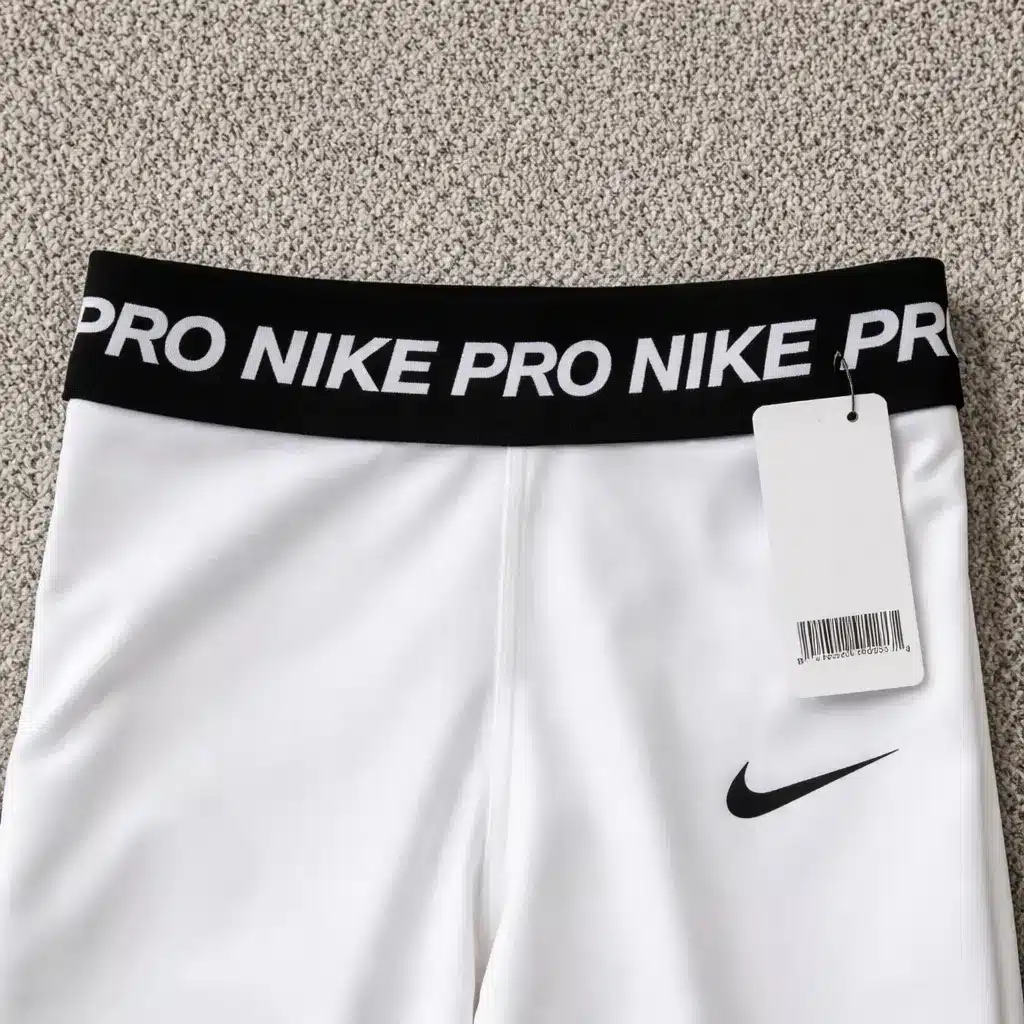
It’s great to have you here to explore how to become part of Nike apparel testing. In this introduction, I’ll share why it’s valuable and what happens during Nike leggings and apparel tests.
Nike counts on feedback from people like you to improve their activewear and sports gear. Their approach to product testing shows how important your experiences are. What you think helps decide what Nike sells in stores.
We’ll look at what Nike’s product testing programs involve, who can sign up, and how it all works. I’ll also show you where to find real testing opportunities, how to submit a strong application, what to do if you’re selected, and how to become a top tester.
Key Takeaways
- Nike apparel testing gives real users a chance to shape product design and performance.
- Leggings & Apparel nike product tests focus on fit, fabric, and durability in real workouts.
- I’ll explain eligibility, typical test tasks, and where to find legitimate opportunities.
- My tips will help you create a strong application and give useful feedback as a tester.
- This guide targets active people in the United States who want to participate in nike product testing.
What is Nike apparel testing and who can join
I explain how Nike product testing happens and who it’s for. I’ve looked into Nike Member experiences and how the brand picks participants. This can help you decide if being a nike apparel tester is right for you.
Overview of product testing programs
Nike conducts official trials and sometimes pilot programs to check out new items. These tests can be by invite, through the Nike Member platform, or shared via newsletters and social media. They’re either managed by Nike or by outside firms they partner with.
Nike Voice of the Athlete initiative
The tests focus on things like how the gear fits, feels, handles sweat, lasts, and performs during sports. Feedback from testers is used to make improvements before the products are sold to everyone.
Types of testers Nike looks for
Nike is on the lookout for different kinds of testers. Runners help check how leggings and shirts work during runs, looking at issues like comfort and if they move well.
People who go to the gym test if clothes can handle workouts and heavy use. Trainers and coaches see if the clothes are good for classes and give advice on how they move.
Athletes and everyday people share if the clothes are comfy for everyday use and light workouts. My findings suggest that having testers from various backgrounds helps Nike get better insights.
Eligibility requirements and geographic considerations
Many testing chances are for those living in the United States because of shipping and laws. Sometimes, they look for people in specific cities or areas.
You need to be over 18, have a Nike Member account, and be ready to give feedback through surveys or testing. They often ask about how active you are, your size, and how you plan to use the items.
If you want to apply, be ready with detailed info about your activities and honest answers. Getting chosen often depends on if your profile fits what they need for testing nike fitness wear and certain products, like a nike leggings test.
Leggings & Apparel nike product tests
I have been a part of several Nike trials and know what comes with the job. They send out leggings or other items before their release for us to try. The goal is for us to use them as we normally would and share our thoughts. This helps them make the final product better.
What to expect from product tests
First thing I do is check how the product fits. I look at the waistband, how it rises, and its comfort. I also pay attention to where the seams are, how the fabric feels, and if it keeps me dry and fresh.
I measure if the size is right, if I can move freely, and if it stays put when I stretch. It’s important to see how it lasts after being washed. Nike and others might ask for videos to see how it all works in action.
Common test items: leggings, sports bras, tops, and outerwear
Legging tests can include many styles, from long to short, and different waist heights. I look at how supportive or light they are, if they’re see-through when I squat, and if the waist stays in place.
Sports bras need to work well for different activities, so I check how they support. I share if they’re comfortable or if there’s anything that rubs the wrong way. With tops, it’s about if they let air through and if they feel good under layers or straps.
Outerwear like jackets and windbreakers are also on the list. I check how warm they keep me without being too bulky, if they’re well-made, and if they’re easy to carry around. The tests usually cover these kinds of clothes.
Typical test duration and feedback expectations
- Short trials last about a week and focus on immediate fit and feel.
- Longer evaluations run for several months to assess durability and wash performance.
- Surveys ask for specific observations like pilling, seam failure, and colorfastness.
I share how often I wore it, in what activities, and keep my comments clear. Photos or videos to show how it fits are common requests. Sometimes, they might want a more detailed chat, like an interview or a group discussion.
How to find legitimate Nike apparel tester opportunities
I use three simple methods to keep up with Nike testing invites. First, I always check Nike’s official channels. Next, I stay connected with respected communities and sites that share these chances. Lastly, I watch for scam signs to quickly spot false ads.
Official Nike channels: Nike Member, newsletters, and social media
The Nike Member app is where I look first for testing news. Nike directly contacts Members with matching profiles for studies via the app or email. That’s why I keep my profile and likes up-to-date.
I also sign up for Nike newsletters to get the latest on new testing programs. Following Nike on Instagram, X, and Facebook helps too. Sometimes, these accounts share opportunities to become a tester or join ambassador programs that might include product trials.
Trusted third-party sites and communities for test alerts
I keep tabs on trustworthy market-research companies and platforms that work with brands. These places share legit testing chances for Nike gear, along with what to expect during screening.
Online fitness groups like r/Running and r/Fitness, as well as Facebook groups and local run clubs, are also on my radar. They often highlight new Nike testing opportunities, like for leggings or other products, before they’re all taken.
How to spot and avoid scams or fake test listings
I avoid any offer that requires payment, a security deposit, or too much personal info. True testing calls don’t ask for money and come from official Nike sources.
Checking the sender’s email and matching it to Nike’s domain is crucial. I also look for consistent Nike branding and ask for details on the testing process, such as return policies and what’s expected in return. Offers that seem too good to be true usually are, and I steer clear of them.
How to prepare a strong application for Nike product testing
I always update my Nike Member profile. This lets screeners see my correct sizing, shipping info, activity level, and new photos. Clear pics that show how I move are crucial, especially for items like leggings or sports bras.
My bio is simple and truthful. It talks about my workouts and when I’m free. Adding info on how often I run, take classes, or lift weights helps. This makes sure I match with the right tests.
Optimizing your profile
I put up pictures of me in usual workout poses from all angles. I also list my exact measurements and keep my activity details fresh. This boosts my chances to test Nike apparel, especially for size-specific items.
Highlighting relevant experience
I talk about my experiences with Nike activewear. I mention which items I often wear and how. For instance, I say, “I run 20–30 miles weekly and need high-compression leggings for my activities.” This helps screeners see if I fit their testing needs.
Sample answers and assets to include
- I have short replies ready, including why I want to test, my usual workouts, and any fit concerns I have.
- I add videos that show how I move and photos that show how clothes fit me now.
- I also share links to my previous reviews or social media posts if they help show I’m reliable and communicate well.
To wrap up applications, I use a simple checklist. It has current measurements, easy-to-send photos, a quick bio about my activities, and a note on my testing reliability. These steps have helped me test Nike gear more than once.
What to do after you’re accepted as a Nike apparel tester
The first time I got gear to test from Nike, I felt excited and a bit nervous. My role changed from a hopeful candidate to a critical evaluator. I treat each package as if it’s a scientific kit, examining, logging, testing, and giving feedback.
Receiving, trying, and caring for test garments
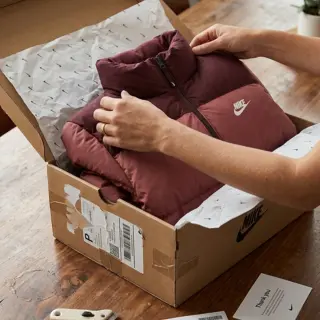
When my package gets here, I check everything inside immediately. I take note of item numbers, sizes, and look for any defects, taking pictures. I then wear the clothes during different activities—like running, squatting, and stretching—to test their fit and performance. It’s important to stick to the washing instructions to keep everything consistent.
I maintain a simple log of wear, noting dates, types of activities, and how the clothes feel. If something’s off, like discomfort or wear, I photograph it and keep track of how many times I’ve washed the item. This routine makes me a dependable tester for Nike.
How to provide useful feedback and complete surveys
My goal is to give clear, helpful feedback. I mention specifics, like if a waistband is uncomfortable, when fabric stops compressing, or how well ventilation works during sweaty exercises. Whenever I can, I include numbers to make my observations more accurate.
I fill out surveys without delay and add photos or videos that show how the clothes fit and move. For instance, if testing nike leggings, I talk about how the waistband holds up during exercise and if the fabric sticks when it’s wet. Giving detailed and prompt feedback makes me more valuable in nike’s testing programs.
Sharing your experience: social posts, videos, and privacy considerations
Being honest on social media while following nike’s rules is key. If there’s a non-disclosure agreement for a leggings & apparel test, I don’t share anything until I’m allowed to. I only tag Nike’s official channels if it’s permitted and keep my captions based on facts.
I’m careful not to give away my location or personal details. And if a post might show something not yet released, I hold off until getting the okay from Nike. This approach lets me share my experiences without crossing any lines and staying within nike’s testing rules.
Tips to increase your chances of becoming a recurring Nike apparel tester
I want to share some tips I use to be noticed in Nike product testing. Doing little things well can really help brands see you as a good tester to come back.
Consistent, timely, and detailed feedback that Nike values
I always meet my deadlines and answer all questions fully. I make sure to give solid ratings and brief notes on how things fit, feel, and last. When testing Nike leggings, I compare them to previous ones to track improvements.
I rate things like stretchiness and note if the seams bother me during workouts. I also mention which activities I did while wearing the gear. This mix of numbers and real-life use helps the design team a lot.
Building a tester reputation: reliability, communication, and photos
I take each test shipment seriously, like it’s a job. I’m good at managing returns, packing items properly, and quick to answer any extra questions. Being easy to work with is something recruiters remember.
I also send clear photos and short videos to show how the clothes move and fit. Good pictures make my feedback even more helpful. I’ve got a simple collection of my past reports for when I apply again.
Networking with other testers and staying active in Nike communities
I join Nike forums and local run clubs to hear about test opportunities early. Talking with other testers gives me ideas on what to stress in my applications. It tells me which tests are right for me.
I keep my profile up to date and follow Nike’s news closely. Networking the right way helps me get more invitations for tests. When I’m active and engaged, I’m more likely to get picked for future tests.
- Be punctual with feedback and shipping.
- Use consistent terms and reference past tests.
- Provide clear photos and short movement videos.
- Stay active in communities and update profiles often.
Conclusion
I’ve talked about how testing nike clothes works and who can try it, focusing on opportunities in the United States. I’ve mentioned everything from Leggings & Apparel nike product tests to broader testing programs. They ask for details about my activities, what I like to wear, and how I use the clothes in real life. This helps me know what to expect when I apply.
To find real chances, I check Nike Member emails, official newsletters, and verified social media. I make sure my profile is up-to-date, post clear photos, and share my workout experiences. This shows how well the nike activewear works when I use it. Doing these things helps make my application better and increases my chances of being chosen to test nike clothes.
Once I’m picked, I take good care of the clothes, give feedback on time, and follow any rules or NDAs. By sharing thoughtful reviews and good photos or videos, I build a strong reputation. This approach helps me get more chances to test nike leggings and other activewear in the future.
Content created with the help of Artificial Intelligence.