Anúncios
What item are you looking for at Nike?
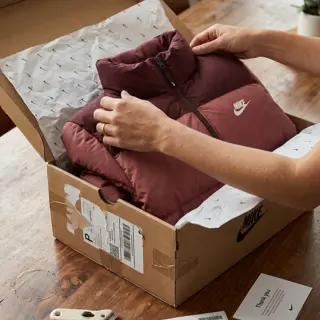
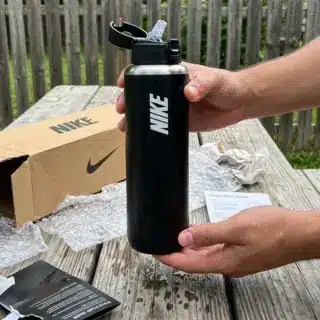
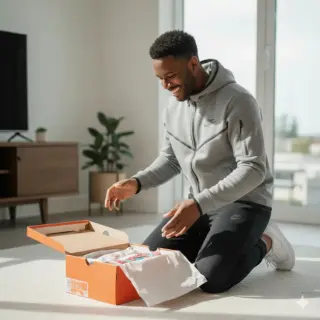
This article covers how Nike checks the quality of jackets and outerwear. You’ll learn why these tested items do well in cold, wet, and busy settings. I dive into Nike outerwear testing, from planning stages to lab experiments. I also explore field tests with people who test Nike gear, and how their feedback helps improve the final product.
Testing is key for several reasons. It reduces the number of items returned by customers. It also prevents issues during winter activities and keeps you comfy. This article looks at how Nike tests jackets and clothing. I’ll share real examples of what these tests involve.
We’ll look into how Nike plans tests, checks for waterproofing, and trials gear with athletes and everyday folks. You’ll see how feedback shapes the gear you buy. For details on how Nike develops its winter wear, jump to each section.
Key Takeaways
- Testing ensures Nike outerwear stands up to cold, wet, and active use before it reaches stores.
- I participate in and report on lab and field methods used in Jackets & Outerwear nike product tests.
- Good nike jacket test protocols reduce returns and improve user confidence.
- Field feedback from the Nike outerwear tester community is as important as lab data.
- This article explains how nike clothing test results influence final design and retail products.
How Nike plans and prepares outerwear tests
Let me show you how I tackle planning for Nike outerwear tests. I start by setting clear goals and picking the right materials. We then use this info to guide our lab work and our real tests outdoors.
Setting testing goals for performance and durability
First, I decide on specific goals. This includes how well the garment keeps you warm, lets your skin breathe, stays waterproof, and how tough the zippers and seams are.
I team up with product managers and engineers. Together, we decide what counts as passing or failing. We think about how the clothes will hold up in stores and outside.
Choosing materials and design variables to evaluate
I pick the stuffing, like synthetic fibers or down, and match it with outer materials. We use stuff like GORE-TEX or treated fabrics. We also consider how it’s all put together.
Nike Voice of the Athlete initiative
I try out different designs for zippers, seams, and pockets. I also play with the shape of the hood and hem to check how they handle movement. This helps us see how the clothes fit during a Nike jacket or clothing test.
Defining real-world use cases: winter running, hiking, and daily wear
I think about scenarios that real users might face. For winter running, we focus on managing sweat. Hiking needs durable, warm layers. Everyday clothes must be stylish, comfy, and work well with other layers.
These scenarios help us set specific testing goals. They guide us in lab tests and in real outdoor tests. This method ensures our winter gear tests are realistic and focus on what’s important.
Laboratory testing methods for Nike clothing test
I guide readers through testing Nike outerwear in labs. We closely examine how these clothes perform in controlled conditions before they are tested outside. By controlling temperature, moisture, and wear, I can tell how Nike’s clothes will hold up with regular wear.
Environmental chambers and temperature cycling
Environmental chambers help simulate different weather conditions such as extreme cold or heat. They also go through freeze-thaw cycles. This lets me adjust humidity and wind. By doing so, I can see how the clothing maintains warmth and how it bounces back after being squished.
These tests mimic wearing the clothes for several days. They speed up the aging process. This way, we see if a Nike jacket’s insulation and stitches last over time.
Waterproofing, breathability, and seam strength assessments
To test how water-resistant Nike clothes are, I use hydrostatic head tests and methods like AATCC or ISO. For breathability, I look at how moisture moves through the fabric using MVTR or RET tests. I also check the strength of seams by stretching and bending them before testing for leaks. This helps find any weak spots.
Mechanical wear tests and fabric abrasion protocols
I check durability by using abrasion tests named Martindale or Wyzenbeek. Then, I test how well coatings and laminates bend. Zippers are tested for how long they last. I also look at how pockets and hardware hold up under stress. Last, I check for signs of wear like pilling and fading. This shows how well Nike gear looks over time.
Field testing with the nike outerwear tester community
I head programs that connect prototype designs with a diverse group of testers. These testers range from athletes and local club members to daily commuters and hikers. We also involve product designers and scientists to offer technical insights.
The people I look for vary in body size, activity level, and live in different climates. It’s important that our testers have used technical jackets before. This way, their feedback on nike jackets is useful and can be compared to other experiences. We give out samples through programs, timed tests, and rewards for detailed feedback.
Recruiting testers: athletes, everyday users, and experts
I check if applicants regularly log their activities and have used winter gear from nike before. It’s crucial to have both top athletes and regular users. This helps get a full picture of the product’s performance and comfort. Designers and scientists look closely at the items to suggest specific improvements.
By asking a few questions at the start, I learn about the testers’ sizes, usual paths, weather, and what gear they like. This helps me pick the right nike prototypes for them, making sure the test is effective.
Collecting qualitative feedback: comfort, fit, and mobility
I collect detailed feedback using apps, interviews, and surveys. Testers share their thoughts on how comfortable and fit the jackets are. They also talk about how warm they feel, how well the hood works, how useful the pockets are, and how easy it is to move around.
Then, testers share photos and point out what didn’t work or what stood out, in simple terms. If many are saying the same thing, I dive deeper with interviews. This helps figure out if problems are due to the material, the design, or how it’s made.
Quantitative tracking: GPS, activity logs, and environmental data
We mix what testers say with hard data from GPS, heart-rate monitors, and weather records. Looking at how far they go, their effort, and the weather helps us understand issues better.
All personal info is kept private, following strict rules. By looking at the data together, we spot trends. Like if testers get cold on long downhill walks or if the jackets don’t breathe well when they’re working hard. This info helps us make our nike winter gear even better.
How I evaluate results and iterate on designs
I begin by combining lab results with field observations. This shows patterns that help us understand the data better. For instance, I link hydrostatic head values to reports of leaks and match MVTR (Moisture Vapor Transmission Rate) readings with feedback on breathability. I also compare abrasion resistance tests to real-life durability feedback. This approach turns Nike clothing test data into useful information.
To make fair comparisons, I adjust dates and environmental conditions. This way, we can fairly evaluate cold runs in Colorado against hikes in Oregon. I then assess evidence by its relevance and the number of tests done. This lets me form a solid opinion about our products without relying too much on one piece of data in Nike outerwear tests.
Next, I sort issues by how severe they are and how often they occur. The most urgent problems are safety risks and leaks. These are followed by concerns about durability and then comfort and fit issues. I also consider how easy and cost-effective fixes are for Nike gear.
I use a clear guideline to decide what we should fix first: safety issues, user experience, and then costs. This method keeps our updates on track and avoids adding too much to our plate during Nike jacket testing.
Working together with designers and engineers helps us come up with fix strategies. Based on what the data tells us, I might suggest different materials, a change in how seams are made, adjustments for better movement, or better zippers.
We continually update our prototypes, do smaller re-tests, and then a final check. I bring together people from sourcing, quality control, and marketing to ensure our updates fit Nike‘s standards and supply abilities.
All through this process, I keep track of what decisions we make and what we need to do next. This ensures we learn from each test. It helps us keep improving Nike clothing tests, ensuring better Nike outerwear, and enhancing Nike gear performance over time.
Jackets & Outerwear nike product tests
This article takes you through examples and outcomes from testing Nike Jackets & Outerwear. We explore how both lab data and field trials shape Nike’s winter apparel. This includes everything from light running layers to heavy parkas.
Examples of tests for winter apparel nike
I test jackets on long runs in subfreezing temperatures to see how they manage moisture and breath. Jackets are also packed into daypacks to check their packability and how seams hold up after being compressed. Multi-day hikes in the alps help us look at how well they resist abrasion, block wind, and keep insulation fluffy under wet-snow conditions.
City cycling tests help us see how the jackets keep their look and how easy they are to layer. We use environmental chambers to measure how well they keep heat in. This data helps us refine what we ask testers to look for and ensures the gear performs well in the real world.
Success stories: tested gear that improved performance
One improvement was using a higher-loft synthetic insulation that kept warmth better when wet. This change led to fewer complaints of feeling cold and fewer warranty claims on later products. Another update was the use of welded seams to stop leaks during rains on trail runs.
We improved the design of hoodies to better peripheral vision for trail runners. Post-launch feedback and return numbers got better after these changes. This shows the importance of thorough Nike gear testing and detailed protocols.
How testing affects what you see in stores and online
Test outcomes help shape product descriptions, washing instructions, and special feature notices like “waterproof to X mm” or “built-in ventilation.” Tags in stores and online often show badges indicating the item has been tested.
I create comparison charts and sizing guides from tester feedback. This helps shoppers pick the right Nike winter gear, understanding the balance between warmth, weight, and how easy it is to pack.
Conclusion
I’ll explain the nike outerwear testing lifecycle. It’s a simple, repeatable process. First, we set goals and choose materials. Then, we apply tough lab protocols and validate with actual field trials.
Blending controlled nike clothing test results with real-world feedback gives a complete view of product performance and durability.
I encourage people in the United States to look for proven features in winter clothing. When shopping, I always check lab data and user reviews. I look specifically for nike jacket tests on waterproofing and breathability. Joining tester programs or following reviews can help you pick the right nike gear for winter activities or everyday use.
Remember, testing never stops. Materials, technology, and what we expect from our gear always evolve. Continuous testing ensures nike products meet real-world needs. These tests influence what you find in stores and online. Because of this thoughtful approach, we get outerwear that performs better and lasts longer.
Content created with the help of Artificial Intelligence.