Advertisements (ou Ads)
Sustainability Apps are mobile and web tools that help people evaluate their clothing’s impact. These apps cover brand-rating services, wardrobe organizers, and resale marketplaces.
Common eco fashion apps include carbon-footprint calculators for clothes and brand transparency trackers. They also offer closet cataloging and discovery engines for verified secondhand items.
Advertisements (ou Ads)
Users can scan a barcode to see material impact and log repairs to extend garment life. They can also compare brands by labor and material data.
Young shoppers aged 16–34 want quick, clear guidance when browsing Instagram or shopping inside an app. Their goals include checking brand sustainability, cataloging closets, planning outfits, or finding trusted secondhand items.
These tools vary in data quality and business models. App scores offer useful guidance but are not absolute facts. It is best to stay curious, check sources, and use apps as part of smarter fashion choices.
Key Takeaways
- Sustainability Apps help assess environmental and social impacts of clothing.
- Sustainable fashion apps come in types: ratings, calculators, organizers, and marketplaces.
- Eco fashion apps are made for quick, mobile-first use and clear guidance.
- Common actions: scan products, log repairs, compare brands, and catalog closets.
- Treat app data as guidance; verify claims and check transparency.
Why Sustainable Fashion Apps Matter for Conscious Consumers
Consumers who care about clothing choices face many hidden impacts. Apps that track sustainability bring clarity quickly. They help turn good intentions into real actions.
Environmental and social impact of clothing
Clothing production uses large amounts of water and energy. It also creates greenhouse gas emissions during manufacturing and transport. Dyeing and finishing release harmful chemicals into rivers.
Textile waste builds up in landfills when garments are thrown away. Labor conditions in the supply chain are often unclear. Low wages, long hours, and weak oversight are common problems.
These issues matter because they connect what buyers purchase to real people and ecosystems.
How apps make ethical shopping more accessible
Ethical fashion apps collect brand data, certifications, and news. This helps users avoid time-consuming manual research. Many apps offer barcode scanning and searchable brand profiles that show certifications like GOTS or Fair Trade.
Filters and badges highlight verified practices while you shop. Users can compare supplier reports without leaving the app. This makes a confusing purchase easier to understand.
Benefits of using eco fashion apps for wardrobe management
Green fashion tools help reduce impulse buying by tracking what users already own. That cuts down on duplicate items and saves money.
Apps often include repair reminders, care tips, and prompts to resell or donate clothes. These features help extend garment life. Some apps track carbon and material use for personal progress.
Use eco-friendly clothing tools to aid your choices. Data may vary, so pair app insights with brand information and audits for the best view.
Sustainability Apps: What to Look For in an Ethical Fashion Tool
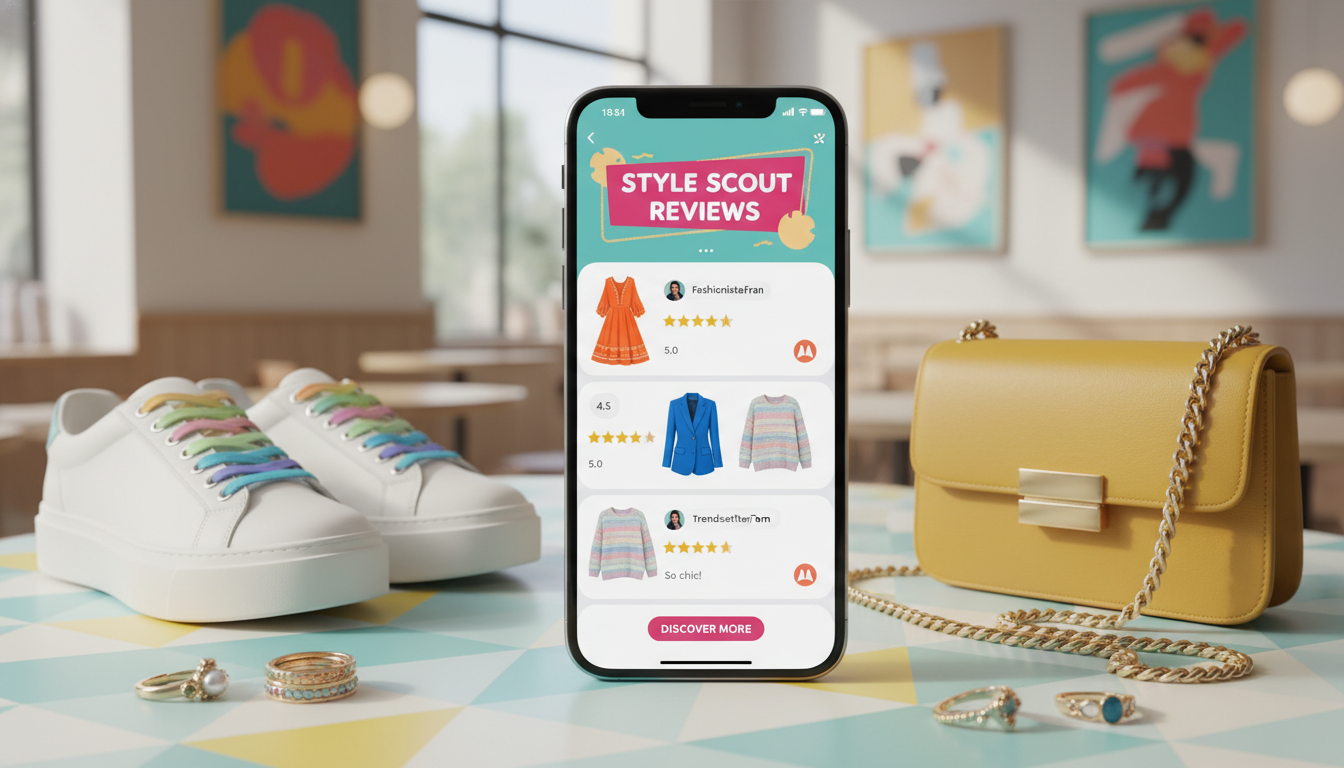
Picking the right app can make ethical shopping easier and clearer. Look for tools that explain where their data comes from. Also, choose apps that let you explore a garment’s footprint and show other shoppers’ reviews.
This way, your choices feel both informed and practical.
Transparency and brand data sources
Good sustainability tracking apps list sources like company sustainability reports, supply-chain disclosures, certifications, and NGO assessments. They flag self-reported brand claims versus third-party verified data. They also note when a profile was last updated.
Features that track carbon footprint and materials
Valuable features include per-item carbon estimates and material breakdowns. They also analyze lifecycle stages such as manufacturing, transport, use, and end-of-life. Apps that accept manual inputs—like garment age or wash frequency—give more accurate estimates.
User reviews, ratings, and community trust signals
Read in-app reviews and app-store feedback to see if features work reliably. Community contributions like user-submitted brand updates or photos add helpful context. However, accuracy can vary, so look for active moderation and clear methodology to build trust.
Quick checklist
- Source citations for brand claims
- Regular update frequency for brand profiles
- Manual input options to refine estimates
- Community moderation and transparent methodology
- Privacy practices that protect your data
When comparing options, try a few ethical shopping apps and sustainable tools. Some eco clothing apps let you compare brands side by side. Use sustainability tracking apps to monitor your progress over time.
Top Apps for Tracking Clothing Sustainability and Brand Ethics
Choosing the right app makes ethical shopping easier. This guide shows common app types and what free users can expect. Check compatibility before downloading.
Try free versions first to see if the app’s methodology and user experience fit your needs.
Overview of highly rated ethical brand apps
Brand rating apps like Good On You and Rank a Brand score corporate sustainability. They list both strengths and weaknesses of brands.
Resale marketplaces such as Depop and Poshmark let users buy secondhand items. These have built-in seller ratings.
Wardrobe management tools like Stylebook and Cladwell track wear, care, and outfit frequency. This helps extend garment life.
Common features include product scanning, brand profiles, sustainability scores, and curated ethical shopping lists.
Many apps link to repair and resale services. Some offer integrations with local tailors and consignment options.
Popular apps often partner with NGOs. They use public supply-chain data, transparency reports, and third-party audits for ratings.
Comparison of free vs. paid features
Free tiers usually offer basic brand scores, barcode or image scanning, and simple wardrobe cataloging. These meet daily needs without a subscription.
Paid tiers add detailed carbon footprints, personalized recommendations, and advanced analytics. Offline access and priority support may be included.
Subscriptions may improve data depth or unlock convenience tools like bulk uploads and exportable reports.
Decide if a fee pays for extra data verification or only UI perks. Test core functions in the free tier first.
Platform availability: iOS, Android, web
Most leading apps run on both iOS and Android platforms. Fewer offer web dashboards for easier closet management.
Platform differences affect scanning speed, photo upload limits, and camera access. iOS apps sometimes use native camera APIs for faster scans.
Android builds differ by device. Web versions can simplify bulk edits and reporting.
Check app-store pages for compatibility, recent updates, and platform-specific notes before installing.
- Practical tip: Start with free accounts on a few apps to compare brand ratings and UX.
- Note: Look for apps that clearly explain their data sources and scoring methods.
How Fashion Carbon Footprint Apps Calculate Impact
Apps that estimate garment impact mix product details, supply-chain data, and user habits. They create a footprint based on these factors. This guide explains common inputs, metrics, and limits readers should expect.
Input data: materials, manufacturing, transport
- Fabric type and weight are core inputs; polyester, cotton, and wool each have different water and energy profiles.
- Production processes and factory energy sources help estimate emissions when data is available.
- Shipping distance and transport mode—air, sea, or truck—affect the CO2e from transport.
- Users can refine results with item age, wash frequency, and repair history to reflect real-life use.
- End-of-life scenarios like landfill, recycling, or resale change the total lifetime footprint.
Standard metrics and calculators used by apps
- Many tools report CO2e (carbon dioxide equivalent) for emissions, liters of water per kilogram, and energy use in kWh or MJ.
- Developers often use life-cycle assessment (LCA) data from studies, industry reports, and public databases.
- Some apps run simple algorithms for quick estimates, while others use detailed LCA models for depth at the item level.
Limitations and accuracy considerations
- Calculators provide estimates, not exact values, since supply-chain data is often incomplete or inconsistent.
- Small brands and private-label items may lack public LCA data, so apps use proxies or averages.
- Differences in manufacturing and regional energy sources create uncertainty ranges, not exact values.
- Users should see numbers as comparative guides, not absolute truths.
Before trusting a result, check the app’s methodology page for assumptions and uncertainty ranges. This helps users compare apps and pick the best fashion carbon footprint or sustainability tools for their needs.
Using Sustainable Wardrobe Apps to Reduce Consumption
Smart wardrobe tools help shoppers see what they own. They use this view to slow down buying. Sustainable wardrobe apps turn closet clutter into clear choices.
These apps make spotting duplicates easier. They track wears and help plan outfits. This extends the life of garments.
Organizing and cataloging your closet digitally
Most apps let users upload photos, tag materials, and note condition. A short inventory shows how often items are worn. It also reveals gaps to fill.
- Benefits: fast inventory, tracking garment frequency, and avoiding repeat purchases.
- Typical features: photo upload, tagging by material or season, filters, and condition notes.
- Habit tip: update the app when buying or after cleaning to keep data current.
Outfit planning to maximize use of existing garments
Outfit calendars and lookbooks encourage reusing clothes. Weekly suggestions and reminders reduce decision fatigue. They mix old favorites with new pieces.
- Use outfit calendars to plan combinations that increase wears per item.
- Try short challenges like wear-it-again weeks or a mini capsule wardrobe.
- Track wears per item to measure real value of each piece.
Resale, repair, and rental integration features
Many sustainable shopping tools link to resale platforms and repair services. This helps keep garments in use. Eco clothing tools include local repair listings, DIY tips, and rental options.
- Resale links simplify selling or buying secondhand through popular marketplaces.
- Repair features offer reminders for mending and contacts for professional service.
- Rental integration lists services for occasional items that don’t justify a purchase.
Use these features together to slow consumption and lengthen garment life. Availability varies by app. Choose eco clothing apps that fit your needs.
Evaluating Eco Fashion Apps for Shopping and Discovery
Choosing the right app makes shopping for ethical fashion quicker and clearer. This short guide spots strengths and trade-offs in green shopping apps, sustainable shopping tools, ethical shopping apps, and brand apps.
Finding ethical brands with app filters and badges
Look for filters that sort by material, certification, production transparency, and business size. Use them to narrow your search to what matters most.
Badges can flag claims like recycled content or fair labor. Tap a badge to check evidence and supplier sources before trusting it.
Cross-check badge claims with certification bodies or a brand’s sustainability report. That extra step helps build your confidence.
Green shopping apps vs. traditional marketplaces
Curated ethical apps focus on verified sustainability data and clear product stories. They usually have smaller catalogs but more accountability.
Mainstream marketplaces offer wide selections and prices. Shoppers need to vet products more closely there.
- Use ethical discovery apps for research and brand background.
- Use larger marketplaces for price checks once a brand seems trustworthy.
- Balance both to get transparency and variety.
How apps support local and small sustainable brands
Many apps highlight independent designers with curated lists, editorials, and direct listings. These boost visibility for small makers.
Some ethical brand apps spotlight artisan practices and verified supply chains. This helps shoppers find thoughtful alternatives to mass-produced pieces.
Check how an app vets new brands. Onboarding and verification vary, so pick apps that explain their processes.
Practical tip: Use filters to match values and budget. Open brand pages in the app to read full disclosures before buying.
Privacy, Data, and Trust in Clothing Sustainability Tools
Apps that help track sustainable fashion collect a mix of useful and sensitive information. Users should know what data a tool needs before handing it over.
What user data sustainability apps collect
Typical data includes account details like email, photos of garments, purchase history, and care instructions entered manually. Many sustainability apps also log usage patterns to improve features.
Some tools request camera, storage, or location permissions to speed up scanning or show nearby repair services. Check whether data is stored locally or synced to cloud servers. Also, find out how long records are kept.
Privacy best practices when using eco friendly clothing tools
Read privacy policies and permission prompts before installing any app. Limit permissions that are not essential; for example, turn off location if scanning works without it.
Consider using an anonymized email or separate account to avoid linking your purchase history to your identity. Export or delete your data if you stop using the app to keep control over your information.
Verifying claims: certifications and third-party audits
Look for credible certifications like recognized organic textile seals, Fair Trade, or Life Cycle Assessment (LCA) references. Choose apps that link to third-party audit reports or certification registries instead of only brand statements.
Some certifications cover raw materials only, not the finished garment. Transparent methodology pages, regular data updates, and clear privacy controls help build trust in sustainable fashion apps.
Conclusion
Sustainability apps and fashion apps help users shop smartly and track a garment’s impact on the environment and society.
They let users catalog items, plan outfits, and find ethical brands. These apps turn good intentions into real actions.
Start by trying the free features to see the app’s style and ease of use. Use a wardrobe app to list clothes and plan outfits before buying.
Check the sources, certifications, and privacy rules in any fashion or green apps before trusting their scores.
Try one app for tracking, one for discovery, and one for resale or repair. Keep the ones that suit you.
Remember, app estimates differ. Use these tools for guidance and combine their insights with brand facts and third-party checks for clear understanding.
Content created with the help of Artificial Intelligence.