Advertisements (ou Ads)
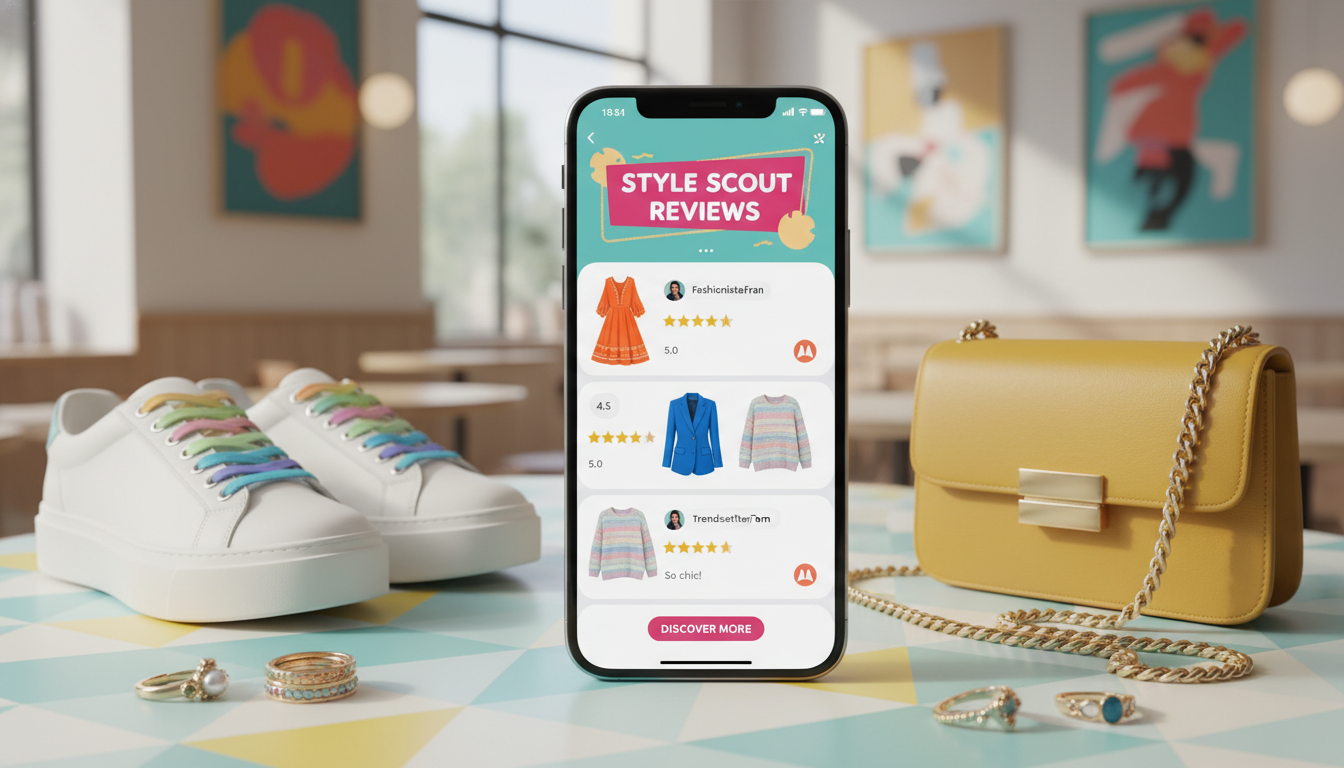
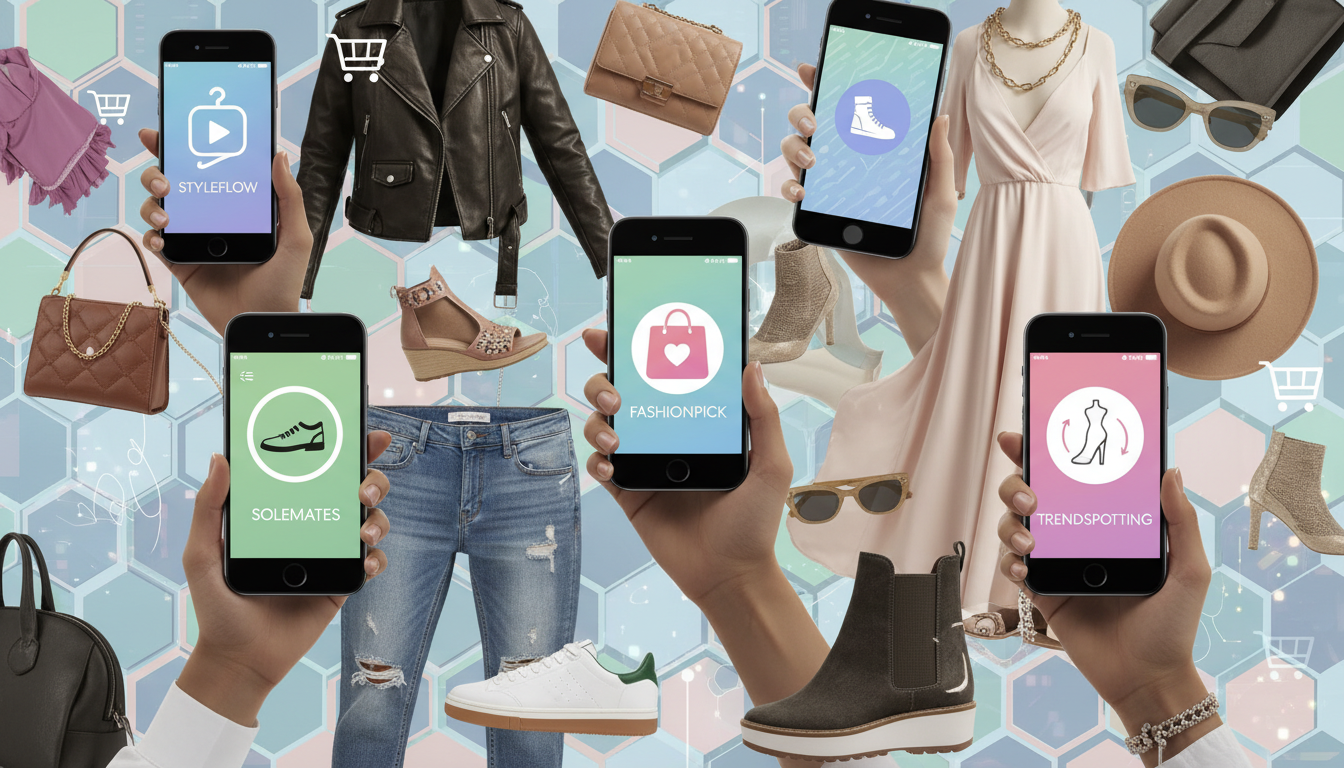
Smart shopping search apps help find clothes faster. They reduce stress by narrowing endless feeds to useful results.
These apps combine search algorithms, image recognition, and catalogs. They show dresses, tops, and shoes that match your style.
Advertisements (ou Ads)
Fashion Search Engines and search apps use visual tools and keywords to pull items from many stores.
Tools like Google Lens and Pinterest Lens help with photo discovery.
Retailers such as ASOS and Zalando add refined search filters.
Aggregators and visual apps like ShopStyle and The Hunt point to similar styles across brands.
Each app has different features, so results can vary from one tool to another.
Benefits include saving time and easier discovery of similar styles. They also offer wider price comparisons and suggestions based on past choices.
These apps speed up browsing and narrow options, but they don’t always find an exact match.
Factors like catalog coverage, image quality, and tagging affect accuracy.
Read on to learn how fashion search apps work and which tools suit your shopping needs.
We also share practical tips to get better matches.
Key Takeaways
- Smart shopping search apps speed up clothing discovery by combining algorithms and visual search.
- Fashion Search Engines and aggregators widen your options across many brands.
- Image-based tools like Google Lens and Pinterest Lens help find similar items from photos.
- Results vary by app—catalog coverage and image accuracy matter.
- Use filters and saved searches to save time and compare prices effectively.
How Smart Apps Speed Up Your Clothing Search
Smart shopping search apps change how people look for clothes on their phones. They turn long, messy browsing into a short, guided flow that suits mobile habits and fast attention spans.
Overview of app-driven shopping workflows
- Search input: users type keywords, speak, or upload a photo to start a query.
- Aggregation: the app pulls options from brands, marketplaces, and retailers into one feed.
- Filtering and ranking: algorithms sort by relevance, price, popularity, or past choices.
- Action: you save favorites, set alerts, or go to checkout on the retailer’s site.
Benefits of speed: time savings, better deals, improved decision-making
- Time savings — find styles across stores in minutes instead of hours of browsing.
- Better deals — quick price checks and alternative sellers bring discounts fast.
- Improved decisions — side-by-side views, size tips, and reviews reduce the chance of returns.
Comparison with traditional browsing and store shopping
- Apps centralize search; in-person visits need travel and show limited stock visibility.
- Online marketplaces can feel fragmented; search engines and fashion apps gather results for you.
- In-store fitting helps with feel and fit; use search tools to narrow choices before shopping.
User experience matters most for mobile-first shoppers. Fast loading and clear filters keep sessions short and useful.
Try two or three fashion browsing apps to find the workflow that matches your daily routines.
Visual Search and Image-Based Tools for Fashion
Visual search tools turn photos into shopping leads. They make it easy to spot a dress on Instagram. Then, they find similar options across stores.
Mobile shoppers who want fast results use visual search and image search clothing apps. These apps help speed up discovery.
How image recognition finds similar clothing and patterns
Computer vision breaks an image into parts like color, texture, silhouette, and pattern. Neural networks compare these features to labeled product photos in catalogs. The system returns visually similar items, not exact copies.
Use cases: find clothes by photo, recreate celebrity looks, reverse image shopping
1. Find clothes by photo: snap a street-style image or save an influencer post and search for matches.
2. Recreate celebrity looks: upload a red-carpet photo to find comparable pieces at different price points.
3. Reverse image shopping: paste an image saved from social feeds and let apps find where to buy it.
Accuracy, limitations, and tips to improve visual search results
Accuracy improves with clear, well-lit photos that show the whole item. Poor lighting, odd angles, or obstructed views reduce match quality.
Try these tips for better results:
- Crop to the garment before searching.
- Use plain backgrounds when possible.
- Combine images with short keywords like silk slip dress red to narrow results.
- Test multiple image search clothing apps to compare coverage.
Keep in mind that catalog breadth matters. Niche or indie brands may be missing from some tools.
Try Google Lens, Pinterest Lens, and retailer apps that support visual search. See how reverse image shopping differs across platforms.
Fashion Search Engines
Smart search tools for fashion help shoppers find clothes faster by focusing on style details that matter. These platforms index fit, fabric, occasion, and brand notes. This helps results match your intent.
Many users prefer fashion-specific sites over broad marketplaces when they want targeted suggestions.
What makes a fashion-first search different
Fashion-focused engines store metadata like silhouette, material, and occasion. Filters for size, sleeve length, and fabric work better than on general sites.
General shopping engines list many categories but often miss important tags needed for outfits.
Top sites and why they work
Aggregators such as ShopStyle and Lyst gather products from many retailers and tag items with fashion terms. Visual platforms like Pinterest act as discovery engines and offer strong image-based search.
Brand-led search from ASOS or Nordstrom has deeper inventory and reliable size notes.
- Catalog breadth keeps choices fresh and relevant.
- Real-time price data helps compare deals across sellers.
- Clear tagging for fabric, silhouette, and occasion improves match quality.
- User reviews and return info add shopping confidence.
How to narrow results fast
Use precise filters for size, color, price, brand, and material to reduce noise. Apply style tags like minimal or streetwear to focus your look. Set saved searches or alerts to catch restocks and price drops.
- Start with size and fit filters to avoid mismatches.
- Add material or occasion filters to refine results.
- Use price comparison tools to check multiple sellers.
- Save searches and enable alerts for discounts and restocks.
For the best experience, pick fashion search engines with broad catalogs and detail-rich tags. Tools that show reviews and clear return policies reduce buying risk from many sellers.
Outfit Finder Apps and Personalized Recommendations
Outfit finder apps make browsing quick and guided. Users get suggestions based on their taste and measurements. The best apps combine fast onboarding with ongoing learning to stay useful.
How apps build style profiles and learn preferences
Onboarding asks about sizes, favorite brands, and style icons. This sets a starting point for the app. User actions like clicks and purchases help train the model over time.
Likes and dislikes give explicit feedback to improve results. This creates a personal feed that adapts automatically.
Integrating wardrobe inventory and outfit planning features
Some platforms let users upload closet photos. This helps mix new buys with existing clothes. A synced wardrobe saves decision time and shows style gaps.
Calendar tools and event planning features help pick outfits in advance. Reminder apps reduce stress before meetings or nights out.
Personalization algorithms: size prediction, fit suggestions, and trend learning
Size prediction uses measurements and brand charts to suggest the best fit. Finder tools warn about items that run small or large. They base this on many reviews.
Trend learning tracks which styles and colors the user likes. Over time, recommendations match both taste and current trends.
Practical tip: always check suggested sizes against retailer charts and reviews. Combine algorithm advice with your own fit experience for the best choice.
Shopping Search Tools and Cross-Platform Integration
Smart shopping search apps help you move from discovery to checkout across many devices.
Use tools that sync saved items, alerts, and collections so your finds on phone show on desktop. This keeps looks organized and stops duplicate searches.
Browser extensions, mobile apps, and cross-device syncing
Install browser extensions like Honey to compare prices while you browse online shops.
Pair extensions with mobile fashion search apps to use camera features and barcode scanning on the go. Turn on cross-device syncing so saved searches and alerts follow you from phone to laptop.
Integrating with marketplaces, brand sites, and social platforms
Many apps link to marketplaces and brand sites to give you a bigger catalog.
Connecting an app to Instagram or Pinterest lets you save looks directly from a post. APIs and brand partnerships keep stock and pricing fresh. This helps improve search accuracy.
Using alerts, price tracking, and saved searches to streamline finds
Set price alerts and watchlists to catch discounts or restocks without checking all the time.
Saved searches can run in the background. They send curated matches by push or email. Limit notifications to the essentials and group finds into collections by mood or event.
- Tip 1: Use one or two smart shopping search apps to avoid clutter.
- Tip 2: Create folders for occasion-based shopping to speed decision-making.
- Tip 3: Turn off noncritical alerts to reduce noise and focus on real deals.
Image Search Clothing Apps and Practical Tips
Image-based tools help you find specific clothes faster and more accurately. Use clear photos to get better results. Add a few smart words to assist visual search apps and clothing finder tools.
Best practices for photographing items
- Use natural, even light and show the full garment.
- Shoot from multiple angles and include close-ups of patterns, buttons, or logos.
- Crop tightly to the item to reduce background noise when you try to find clothes by photo.
Combine keywords with images for sharper results
- Add color, fabric, or style words like “black leather biker jacket” to guide image search clothing apps.
- Use occasion or silhouette terms such as “wrap dress midi” for targeted matches.
- If results are off, change the keywords before reusing the same photo.
Privacy, data use, and permissions
- Review camera and photo permissions before granting access to an app.
- Read the privacy policy to know whether images are stored or shared by the service.
- Prefer apps that process images locally or state they won’t retain personal photos when using clothing finder tools.
When sourcing images from Instagram or TikTok, respect platform guidelines and copyrights.
Personal photos tend to be the safest option to find clothes by photo with minimal risk.
Choosing the Right Smart Shopping Search Apps for You
Finding an app that fits your style begins with a few simple checks. Test search quality with photos and keywords you use. Scan the catalog for brands and retailers you prefer.
Note how fast the app loads. Check how easy it is to save or share items. These checks help compare fashion search apps without guesswork.
Evaluating features: search quality, catalog breadth, and UX
Run three quick tests: image matches, keyword results, and filter accuracy.
- Image matches: snap an item and see how closely results match shape and pattern.
- Keyword results: try niche terms like “ribbed tank” or “square-toe boot” to test depth.
- Filters and UX: look for clear size, color, and price filters plus easy sorting.
Cost considerations: free vs. premium features and in-app purchases
Many apps are free but offer optional premium tiers. Premium often adds unlimited saves, advanced filters, or early deals.
- Weigh stylist sessions and exclusive drops against how often you shop.
- Read reviews for complaints about hidden fees or confusing subscriptions.
- Try a short trial before committing to paid features.
Recommendations based on shopper goals: bargain hunting, trend discovery, capsule wardrobes
Pick apps that match your shopping priorities.
- Bargain hunting: prioritize apps with strong price tracking and broad marketplace links. Good search engines surface the best deals.
- Trend discovery: choose apps with social feeds and editorial picks for fresh ideas.
- Capsule wardrobes: select outfit finder apps with wardrobe upload and mix-and-match tools for planning looks.
Try one app from each group for a week to see which fits your habits. Small trials show if premium features save time or add clutter.
Conclusion
Smart shopping search apps and Fashion Search Engines gather thousands of listings. Users spend less time hunting for items. Visual search, filters, and personalized suggestions help find pieces that match a photo or mood.
These online tools centralize options from brands and marketplaces. This allows quicker comparison of fashion options.
Practical takeaways are simple and useful. Use image search with keywords for the best matches. Combine filters, saved searches, and alerts to save time and money.
Try one clothing finder tool for visual matches. Also, use one outfit finder app for personalized looks. This helps find what fits your routine.
Remember, results change based on catalog size, image quality, and participating retailers. These tools narrow choices and guide decisions.
However, they don’t replace trying pieces on when fit matters. Experiment this week with one visual search app and one outfit app to see the time savings firsthand.
Content created with the help of Artificial Intelligence.